

Choosing the right natural stone for your project requires understanding the fundamental differences between limestone and sandstone, as their performance varies based on their geological composition. Limestone is a marine-based rock formed from calcium carbonate, offering a dense, uniform, and velvety texture that is ideal for sophisticated interiors and elegant pool coping. In contrast, Sandstone is a terrestrial rock composed of quartz and silica, providing a rugged, slip-resistant, and highly durable surface perfect for high-traffic outdoor paths, driveways, and patios. Identifying these chemical and physical signatures is the secret to selecting a material that not only looks breathtaking but is also perfectly engineered for your specific environment.
Selecting the right stone defines the longevity and aesthetic of your property for decades. Think of this as your field-cheat-sheet—a professional guide to navigating the technical nuances that actually matter when the stone hits the ground.
| Feature | Limestone (Calcareous) | Sandstone (Siliceous) |
|---|---|---|
| Hardness (Mohs) | 3 – 4 (Softer) | 6 – 7 (Harder) |
| The Vibe | Elegant, uniform, sophisticated; “Modern Classic” | Rugged, natural, warm; “Outdoor Workhorse” |
| Best For | Luxury interiors, pool coping, feature walls | Patios, driveways, paths, heavy paving |
| Feel | Smooth, matte, and velvety | Gritty, abrasive, and sandpaper-like |
| Acid Check | High Alert! Sensitive to acids & acid rain | Resistant to mild acids |
| Grip | Can be slippery (needs honing/sandblasting) | Naturally non-slip (R-rated grip) |
| Formation | Marine-born (ancient seafloors) | Land-born (rivers & deserts) |
According to the definition by Britannica:
“Limestone, sedimentary rock composed mainly of calcium carbonate (CaCO3), usually in the form of calcite or aragonite.”
Limestone and Sandstone are the global heavyweights of natural stone. While they often look similar to the untrained eye, they are engineered by nature for completely different roles. Whether you are exploring the technical difference between sandstone and limestone or specifically asking what is the difference between limestone and sandstone for your next project, you’re about to look past the surface and into the very “DNA” of the rock.
-

Yellow Himalayan Sandstone
Price range: $26.00 through $110.00 Select options This product has multiple variants. The options may be chosen on the product page -
White Himalayan Sandstone
Price range: $26.00 through $110.00 Select options This product has multiple variants. The options may be chosen on the product page -
Teakwood Sandstone
Price range: $26.00 through $110.00 Select options This product has multiple variants. The options may be chosen on the product page -
Ivory Limestone
Price range: $26.00 through $98.00 Select options This product has multiple variants. The options may be chosen on the product page -
Grey Limestone
Price range: $30.00 through $110.00 Select options This product has multiple variants. The options may be chosen on the product page -
Black Limestone
Price range: $26.00 through $110.00 Select options This product has multiple variants. The options may be chosen on the product page
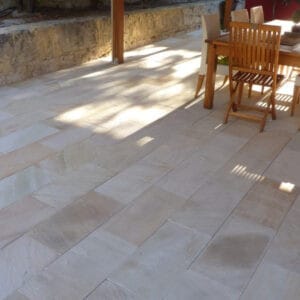
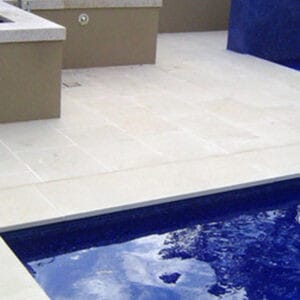
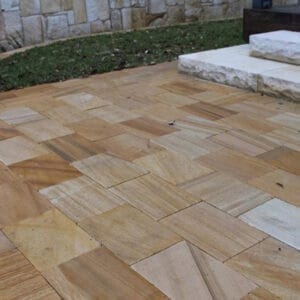
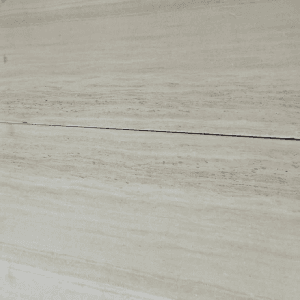
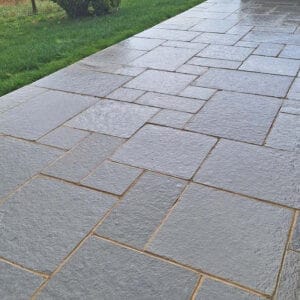
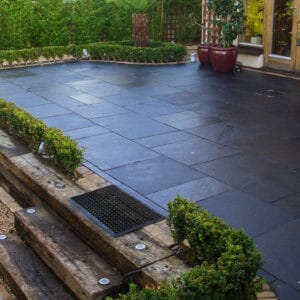
The Origin Story: What type of rock is limestone and sandstone?
What type of rock is limestone and sandstone? Both are sedimentary, but that’s where the sibling resemblance ends. Many homeowners ask: is sandstone and limestone the same? Far from it. Their chemistry defines how they’ll handle your coffee spills and your kids’ muddy shoes.
Limestone: The Calcareous Masterpiece
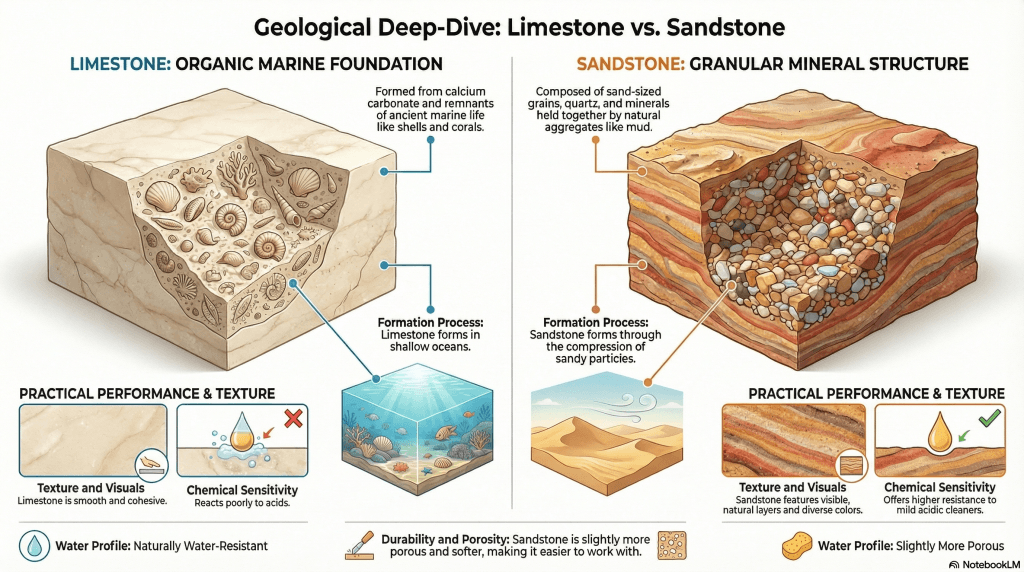
Think of limestone as a compressed record of an ancient, vibrant ocean. It’s built from the biological remnants of marine life—shells, corals, and calcite precipitation. This unique biological origin gives the stone its dense, uniform, and remarkably “buttery” consistency that architects prize for high-end finishes.
Sandstone: The Siliceous Wanderer
This stone is a traveler. Born in shifting rivers and desert dunes, it’s primarily composed of quartz and feldspar grains. These ultra-hard minerals are glued together by silica or iron oxide through eons of pressure. To understand its complexity, geologists typically categorize it into four main types of sandstone based on mineral makeup:
- Quartz Sandstones (high-purity quartz blocks).
- Arkoses (rich in feldspar).
- Lithic Sandstones (containing fragments of other rocks).
- Wackes (a mix of sand, silt, and clay).
In some cases, if these blocks are pushed through enough geological force, they begin their transformation into Quartzite, one of the toughest materials on the planet.
Pro Secrets: The “Invisible Threshold”
Identifying these stones like a pro doesn’t require a degree; it requires a 10x lens. When you look at Sandstone, you’ll see a galaxy of individual grains sparkling like tiny diamonds. This is what geologists call a “Clastic” structure—and it’s why Sandstone gives you that famous sandpaper-like grip.
On the Mohs Scale of Hardness, Limestone sits at a 3-4 (easier to carve, but easier to scratch), while Sandstone is a tough 6-7, often requiring specialized diamond blades just to make a clean cut.
Choosing Your Finish:
- Honed: Gives Limestone a smooth, matte look that’s pure luxury for indoor floors.
- Sandblasted: Our top recommendation for Limestone around pools to add that essential grip.
- Natural Cleft: The rugged, “split-face” look that makes Sandstone so full of character.
- Hand-Chiseled: For when you want that “Ashlar” look that feels like it’s been there for centuries.
Living with the Elements: The Coastal Reality
If you live near the coast or in a high-rainfall area, your stone choice is a matter of long-term engineering.
The Salt Attack: Sandstone is a bit of a “microscopic sponge.” In coastal areas, salt spray enters the pores, evaporates, and the growing crystals can cause the stone to flake (spalling). It doesn’t mean you can’t use it; it just means you need a high-quality “consolidator” sealer.
The Barefoot Test: On a 40-degree summer day, Sandstone is the “cool-under-pressure” champion. Because it’s porous, it dissipates heat faster than the denser Limestone. If your kids are running barefoot by the pool, Sandstone is usually the safest bet for comfort.
Maintenance: What Your Stone is Secretly Afraid Of
- Limestone’s Nemesis (Acid): Because it’s calcium-based, Limestone is chemically sensitive. A spill of lemon juice or even “acid rain” in certain climates acts like a chemical burn, leaving a permanent dull mark (etching). In luxury kitchens and baths, only pH-neutral soaps are allowed.
- Sandstone’s Enemy (Oil & Pigment): Sandstone isn’t scared of a little lemon juice, but it is afraid of BBQ grease or red wine. Those “sponge-like” pores will suck up pigments fast. The defense? A proactive, high-quality impregnating sealer.
Maturity and Longevity: The “Pettijohn” Quality Check
In the stone world, we talk about “Maturity.” When comparing sandstone versus limestone, a “Mature” Sandstone is one that has survived millions of years of extreme weathering. Only the most indestructible quartz grains remain. When you invest in a mature stone, you aren’t just buying a floor—you’re buying a material that has already passed the ultimate test of time.
At a Glance: Pros and Cons
Limestone
- Pros: Minimalist “resort-style” look, dense structure, naturally cooler than concrete.
- Cons: Needs an acid-free life, can be pricey, requires texturing for wet areas.
Sandstone
- Pros: Incredible non-slip grip, ruggedly durable (Hardness 6-7), stays cool in summer.
- Cons: Needs sealing to block out stains and algae, can feel abrasive on sensitive feet.
The Final Verdict: Which Piece of History Do You Want?
Ultimately, choosing between Limestone and Sandstone is more than just an engineering decision; it is a reflection of your daily lifestyle. If you are chasing a space with clean lines, minimalist design, and a sophisticated sense of luxury that blurs the boundary between your interior living area and the terrace, Limestone is your unrivaled choice. This stone is engineered for those who view their home as a calm, high-end sanctuary and are willing to commit to specialized, acid-free care to maintain its breathtaking aesthetic. It turns any pool edge or bathroom into a high-end architectural statement.
On the other hand, if you embrace the beautiful, warm chaos of family life and need a stone as resilient as the people living on it, Sandstone is the champion you require. It is built for those whose priority is a safe, non-slip surface for running children and a material that stays cool under the blistering summer sun. As Sandstone develops a natural patina over time, it doesn’t just age; it matures with character, evoking the true soul of a classic, timeless backyard.
At Hunter Pavers, we don’t just sell stone—we help you find a 100-million-year-old piece of history that fits the rhythm of your 21st-century life. Contact us today to find your perfect match.