

What is Travertine Stone? Travertine stone is a type of natural limestone that forms through the precipitation of calcium carbonate in mineral springs, particularly hot springs. Known for its distinctive texture, porous surface, and earthy color palette, travertine tiles has been used as a building material for thousands of years, from ancient Roman architecture to modern residential and commercial projects. Its natural patterns, ranging from cream and beige to warm browns and reddish hues, make it a versatile choice for both decorative and functional applications.
What is Travertine Stone?
Travertine stone is a type of natural limestone formed through the slow deposition of calcium carbonate from mineral springs and underground water sources. Its unique porous texture and earthy tones make it one of the most sought-after materials in architecture and landscaping. Travertine is known for its timeless elegance, durability, and versatility in both interior and exterior applications.
Key Features of Travertine Stone:
Natural Formation: Created by mineral deposits over thousands of years.
Distinctive Look: Features soft colors like beige, ivory, and gold with natural veining.
Durability: Withstands weather changes, ideal for indoor and outdoor use.
Non-Slip Surface: Perfect for pool decks, patios, and walkways.
Eco-Friendly: 100% natural stone with minimal processing impact.
Overall, travertine stone combines natural beauty with strength and practicality. Its aesthetic versatility and long-lasting quality make it an excellent choice for anyone looking to add elegance and value to their space.
Poperties of Travertine Stone
Travertine stone is renowned for its unique physical and chemical properties, which make it both a practical and visually appealing building material. What is Travertine Stone is best understood by examining these characteristics, as they define its performance in various applications.
One of the key features of travertine is its porosity. The stone contains small holes and cavities formed during its natural deposition in mineral-rich springs. These pores give travertine its distinctive texture and allow for slight water absorption, which can be advantageous in outdoor applications like patios and pool surrounds. However, these pores also mean that travertine requires sealing to prevent staining and to maintain durability over time.
Travertine is moderately hard, softer than granite but harder than marble, making it relatively easy to cut, shape, and install. This property allows for versatile designs in flooring, wall cladding, and decorative accents. Despite its moderate hardness, travertine is durable enough for both indoor and outdoor use, provided it is properly maintained.
For those looking for a premium option, Classic Travertine offers a refined and timeless look suitable for a variety of design applications.
In terms of aesthetics, travertine offers a natural and timeless look. Its color palette includes cream, beige, tan, and reddish hues, often with unique veining or patterns that create an organic and elegant appearance. The stone can be finished in various ways, such as polished, honed, tumbled, or brushed, each providing a different texture and sheen suitable for different design preferences.
Thermally, travertine has excellent properties. It remains cool under direct sunlight, making it an ideal choice for outdoor flooring in hot climates. Its thermal resistance also contributes to its long lifespan and stability, reducing the likelihood of cracking or warping due to temperature fluctuations.
Chemically, travertine is primarily composed of calcium carbonate, which gives it strength while maintaining workability. It reacts mildly with acidic substances, so care must be taken to prevent etching or staining when exposed to certain chemicals or foods.
Overall, understanding what is Travertine Stone involves recognizing its combination of porosity, moderate hardness, aesthetic versatility, and thermal and chemical properties. These characteristics make it a highly adaptable and desirable material for a wide range of applications, from flooring and countertops to outdoor landscaping and decorative features.
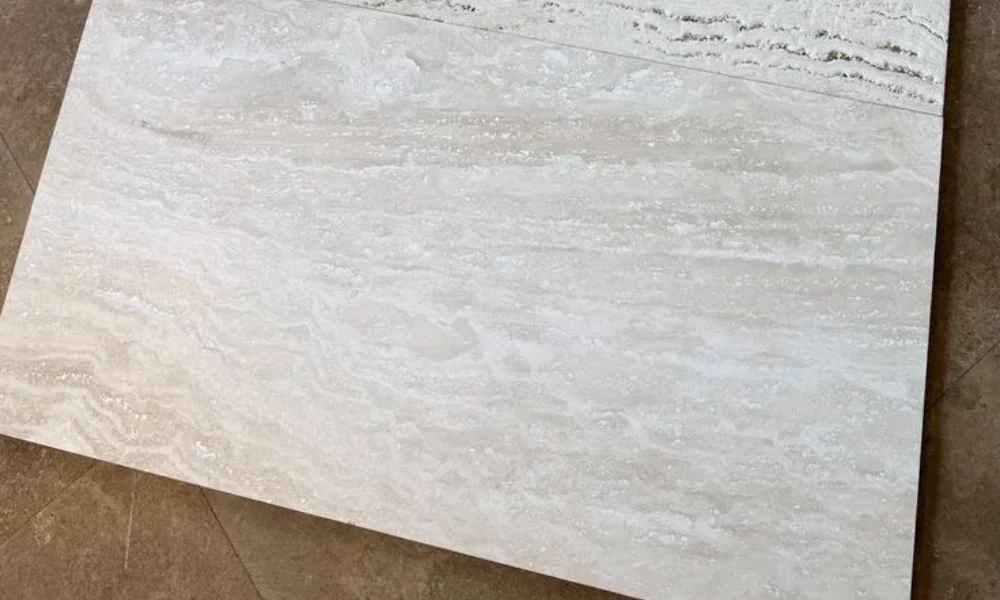
What Travertine is Made Of
Travertine is a natural sedimentary stone primarily composed of calcium carbonate (CaCO₃). It forms when mineral-rich water from hot springs or limestone caves evaporates, leaving behind deposits of calcium carbonate that gradually build up over time. These deposits create the stone’s characteristic porous texture, along with its unique veining and earthy color variations.
In addition to calcium carbonate, travertine can contain small amounts of other minerals such as magnesium, iron, and clay, which influence its color and patterns. The presence of these minerals can give travertine a range of hues, from creamy whites and beige tones to warm browns, golds, and even reddish shades.
The stone is naturally porous, which means it has tiny holes and cavities formed during its deposition process. These pores contribute to travertine’s lightweight feel and distinctive texture, while also allowing for slight water absorption—an important property for outdoor applications such as patios and pool surrounds.
If you’re wondering exactly what travertine is made of, it primarily consists of calcium carbonate with minor amounts of other minerals, giving it both strength and aesthetic appeal.
Overall, understanding what travertine is made of helps explain its durability, natural beauty, and suitability for both indoor and outdoor uses. Its mineral composition makes it a strong, versatile, and environmentally friendly building material.
Uses of Travertine stone
Travertine stone is a versatile material used in a wide range of interior and exterior applications. What is Travertine Stone becomes even clearer when looking at its practical uses, as its durability, natural beauty, and unique texture make it suitable for both functional and decorative purposes.
In residential spaces, travertine is commonly used for flooring. Its slightly porous surface and natural patterns create an elegant look for living rooms, kitchens, and bathrooms. The stone’s ability to stay cool underfoot makes it especially popular in warm climates, while its durability ensures that it can withstand regular household traffic. Travertine is also frequently used for countertops and backsplashes, offering a sophisticated, natural aesthetic that complements a variety of design styles. For those looking for a specific tone, Beige Travertine provides a soft, neutral color that easily blends with modern and traditional interiors.
Outdoor applications are another major use of travertine. Patios, walkways, pool surrounds, and driveways benefit from its non-slip surface and ability to absorb heat, keeping walking areas comfortable even on sunny days. Travertine’s porosity allows water to drain through the surface slightly, reducing pooling and making it suitable for areas exposed to rain or irrigation. Garden pathways and terraces also take advantage of its natural texture and earthy colors to blend seamlessly with landscaping designs.
Travertine is also used in wall cladding, columns, and decorative features. Its timeless appearance adds elegance to facades, fireplaces, and accent walls. In commercial spaces, it is favored for lobbies, hotel interiors, and office buildings because it combines luxury with long-lasting performance.
Even historic architecture highlights the versatility of travertine. Iconic buildings such as the Colosseum in Rome demonstrate how travertine can endure centuries while maintaining its structural integrity and visual appeal. This historical legacy further underscores why travertine remains a top choice for both modern and traditional applications.
Overall, travertine’s combination of beauty, functionality, and durability makes it suitable for a wide range of uses. By understanding what is Travertine Stone and how it can be applied, designers and homeowners can make informed decisions to enhance both indoor and outdoor spaces.
Using Travertine for Outdoor Spaces
Travertine is one of the most popular natural stones for outdoor applications due to its combination of durability, aesthetic appeal, and practical functionality. Its unique characteristics make it a top choice for homeowners, landscapers, and architects looking to create elegant and long-lasting outdoor areas. From patios and pool surrounds to walkways and driveways, travertine provides a natural, luxurious look while offering functional benefits. For a lighter, sophisticated option, Ivory Travertine adds a soft, neutral tone that brightens outdoor spaces and complements a variety of design styles.
One of the key reasons travertine is preferred for outdoor spaces is its non-slip surface. The stone’s natural texture provides grip, reducing the risk of slipping even when wet, which makes it ideal for pool decks, garden paths, and outdoor steps. Unlike smooth surfaces such as marble or polished concrete, travertine combines elegance with safety, which is particularly important in high-traffic outdoor areas or spaces where children play.
Another advantage of travertine is its ability to stay cool under direct sunlight. Unlike concrete or asphalt, which absorb heat and can become uncomfortably hot, travertine naturally regulates temperature. This property makes it especially suitable for hot climates and sunny areas, allowing people to walk barefoot on patios or around pools without discomfort. Its thermal stability also reduces the risk of cracking due to extreme temperature changes, increasing its longevity as an outdoor material.
Travertine’s aesthetic versatility is another factor that makes it ideal for outdoor spaces. Available in a wide range of earthy tones—such as cream, beige, tan, and reddish hues—travertine blends seamlessly with landscaping elements. The natural veining and patterns add character to any outdoor area, enhancing the visual appeal of patios, terraces, and garden paths. Travertine can be cut into various shapes and sizes to create unique patterns or borders, allowing for creative design options.
From a practical standpoint, travertine is highly durable and can withstand significant foot traffic and light vehicular use. Proper installation over a well-prepared base ensures stability and prevents shifting or cracking over time. Additionally, its moderate porosity allows for slight water absorption, which helps manage rainwater and reduces puddling. This property is particularly beneficial in areas prone to heavy rainfall, ensuring outdoor spaces remain safe and functional.
Maintaining travertine in outdoor settings is relatively straightforward. Regular cleaning with mild soap and water, along with periodic sealing, helps protect the stone from stains, mold, and mildew. With proper care, travertine can retain its natural beauty and functionality for decades, making it a sustainable choice for long-term outdoor projects.
In conclusion, travertine is an outstanding material for outdoor spaces, offering a combination of safety, durability, thermal comfort, and aesthetic appeal. Its non-slip surface, ability to stay cool, and versatile appearance make it suitable for patios, pool decks, walkways, and driveways. By choosing travertine, homeowners can create elegant, safe, and long-lasting outdoor environments that enhance both functionality and visual charm.
Summary Table: Using Travertine for Outdoor Spaces
| Outdoor Application | Key Benefits |
| Patios | Elegant appearance, non-slip surface, heat-resistant |
| Pool Surrounds | Safe for barefoot use, non-slip, stays cool under sun |
| Walkways | Durable, provides traction, blends with landscaping |
| Driveways | Can handle light vehicular traffic, aesthetically pleasing |
| Garden Paths/Terraces | Natural look, versatile patterns, enhances outdoor design |
Benefits of Travertine
Travertine offers numerous advantages that make it a preferred choice for both indoor and outdoor applications. Its natural beauty and unique veining provide a timeless and elegant aesthetic, enhancing the overall appearance of floors, walls, and outdoor spaces. The stone is durable and long-lasting, able to withstand foot traffic, weather conditions, and moderate wear without losing its appeal.
Travertine also has thermal benefits, staying cool under direct sunlight, which is especially valuable for outdoor areas such as patios and pool surrounds. Its non-slip texture increases safety in wet or high-traffic areas. Furthermore, travertine is versatile, available in various colors, finishes, and sizes, allowing for creative design patterns and seamless integration into different architectural styles.
Overall, travertine combines aesthetic elegance, functionality, and durability, making it a practical and attractive material for residential, commercial, and public projects.
Installation and Maintenance of Travertine
Proper installation is essential to maximize the longevity and performance of travertine. First, ensure a level and stable base for outdoor applications, using sand, gravel, or concrete to prevent shifting and cracking. For indoor use, a solid subfloor with proper adhesive ensures stability and even surfaces.
When installing travertine, maintain consistent spacing between tiles or pavers to allow for expansion and prevent uneven surfaces. After installation, seal the stone to protect against stains, moisture, and environmental damage.
Maintenance is straightforward but crucial:
- Clean regularly with mild soap and water to remove dirt and debris.
- Re-seal periodically to maintain protection and enhance durability.
- Avoid harsh chemicals that can etch or discolor the stone.
By following these installation and maintenance steps, travertine can remain beautiful and functional for decades.