


limestone flooring is the most common application among that list. In this article we will discuss about its features and list of pros & cons when it comes to having limestone flooring.
Limestone Flooring: Pros, Cons and Suitability
Limestone is a natural sedimentary stone made primarily of calcium carbonate. Its soft, layered character and neutral colours make it popular for floors, wall cladding and paving. Before choosing limestone flooring, it is important to weigh its visual benefits against its care requirements and the demands of the room.
Limestone can work beautifully in living spaces, entrances, bathrooms and carefully planned outdoor areas. It is not as hard as granite and requires more mindful cleaning than many manufactured tiles, but with suitable sealing and routine care it can be a long-lasting finish.
-

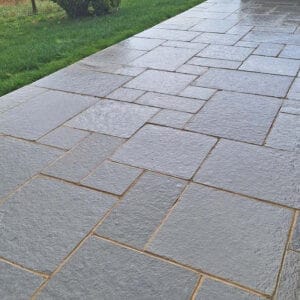
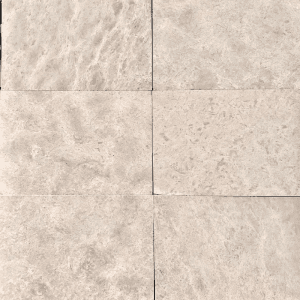
Ivory Limestone
Price range: $26.00 through $98.00 Select options This product has multiple variants. The options may be chosen on the product page -
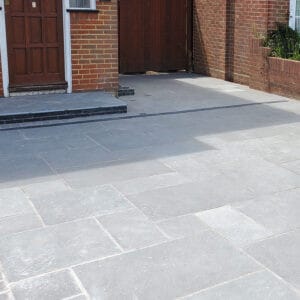
Grey Limestone
Price range: $30.00 through $110.00 Select options This product has multiple variants. The options may be chosen on the product page -
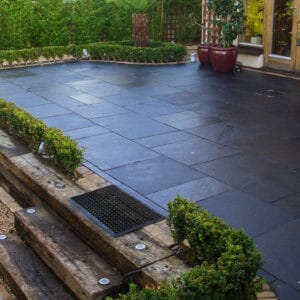
Black Limestone
Price range: $26.00 through $110.00 Select options This product has multiple variants. The options may be chosen on the product page -
Ash Grey Limestone
Price range: $26.00 through $110.00 Select options This product has multiple variants. The options may be chosen on the product page -
Gohera Limestone
Price range: $26.00 through $110.00 Select options This product has multiple variants. The options may be chosen on the product page

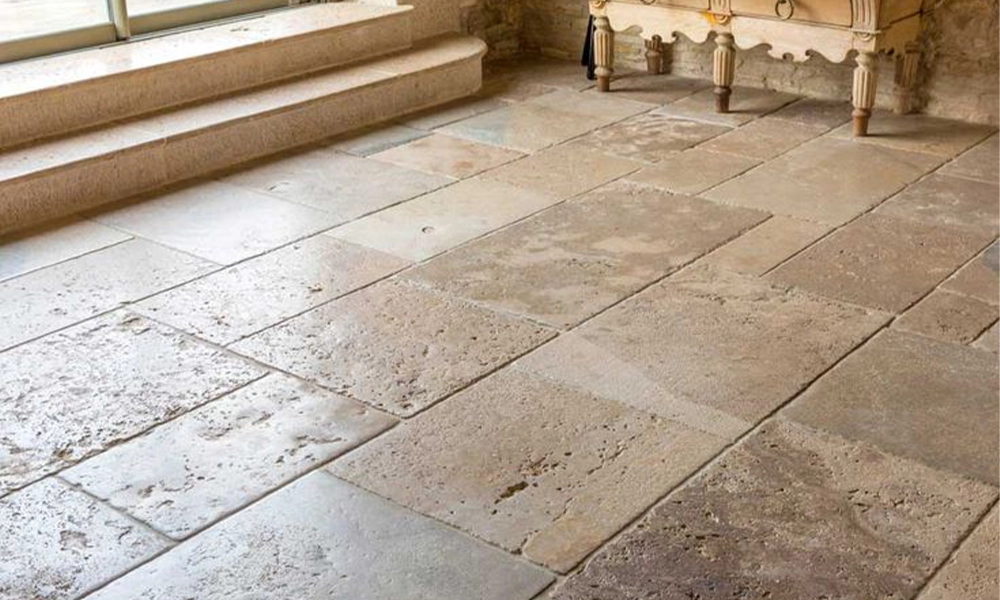
Pros and Cons of Limestone Flooring at a Glance
| Factor | Advantage | Consideration |
|---|---|---|
| Appearance | Natural colour variation and a warm, understated look. | Variation is inherent; view samples before selecting. |
| Durability | Suitable for many residential floors when specified and maintained correctly. | Softer than granite and can chip or scratch under hard use. |
| Cost | Often offers a natural-stone look at a lower price than some premium stones. | Installed cost can exceed vinyl, ceramic or porcelain. |
| Maintenance | Can be kept attractive with regular, gentle care. | Porosity means spills, acids and harsh cleaners need attention. |
| Installation | Creates a premium, permanent finish. | Heavy pieces and substrate preparation call for professional installation. |
Advantages of Limestone Flooring
Natural warmth and timeless appearance
Limestone comes in shades such as beige, ivory, cream, grey, blue-grey and soft pink. Rather than a highly polished or sterile appearance, it can add visual warmth to contemporary, rustic and classic interiors. Some pieces may contain subtle fossils or natural markings, making every installation individual.
Durable for suitable residential spaces
Although limestone is softer than granite, it can withstand normal household use when it is properly installed, sealed and maintained. Choose the thickness and finish for the intended application, and use mats or furniture protection in areas prone to grit or heavy movement.
Versatile design options
Regular grid layouts create a calm, uniform floor and can make rooms feel more open. French patterns and other modular layouts introduce more movement. Limestone also pairs naturally with timber, neutral cabinetry and marble or granite feature elements.
A natural material
Limestone is quarried natural stone. Its overall environmental impact still depends on quarrying, transport, cutting, installation and lifespan, so it should not be described as impact-free. Its long service life and ability to be reused or recycled at end of life can nevertheless be useful considerations for projects prioritising durable materials.
Disadvantages of Limestone Flooring
Regular maintenance is essential
Limestone is porous and should be protected with an appropriate sealer. Sweep or vacuum with a soft attachment to remove grit, clean spills promptly and use a pH-neutral stone cleaner. Acidic products can etch calcium-carbonate stone, so avoid vinegar, lemon-based cleaners and conventional bathroom acids.
It can scratch, chip or stain
The softness that contributes to limestone’s tactile feel also means it can be more vulnerable than hard stones in high-impact areas. Busy commercial kitchens, entry points full of abrasive grit and poorly protected hallways may need a harder material or a robust maintenance plan.
Upfront and installation costs
Limestone may be less expensive than some marble or granite options, but it is generally not the lowest-cost flooring choice. Large-format pieces are heavy; transport, substrate preparation, cutting and professional installation should be included in the budget.
Where Does Limestone Flooring Work Best?
| Location | Suitability | Advice |
|---|---|---|
| Living rooms and bedrooms | Often a strong choice. | Use felt pads and maintain regular dust removal. |
| Bathrooms | Possible with the right finish and sealing. | Confirm wet-area slip requirements and maintain the seal. |
| Kitchens | Suitable for some homes. | Clean acidic food spills immediately and use mats in working zones. |
| Busy commercial or grit-heavy areas | Requires careful assessment. | Consider harder stone or durable porcelain where impact and abrasion are high. |
For products and options, visit our limestone range. For aftercare, read our guide to cleaning limestone.
Frequently Asked Questions
Is limestone flooring durable?
It is durable for many residential applications when the correct product is installed on a sound substrate and maintained well. It is softer than granite, so it needs protection from grit and hard impacts.
Is limestone flooring hard to maintain?
It needs regular but simple care: sweep grit, wipe spills promptly, use pH-neutral cleaner and maintain an appropriate sealer. Avoid acidic and abrasive products.
Can limestone flooring be used in a kitchen?
Yes, but it needs sealing and prompt cleaning of spills, particularly acidic foods and drinks. Choose a suitable finish and discuss the room’s use with your installer.
Does limestone flooring stain easily?
Unsealed or poorly maintained limestone can absorb staining liquids because it is porous. A suitable sealer and fast spill cleanup reduce this risk.
Is limestone cheaper than marble?
Prices vary by grade, origin, finish and installation. Limestone is often positioned below many premium marble options, but it can still cost more than ceramic, vinyl or some porcelain tiles.
2 Responses
What is the best sealer to use on Limestone and how often should it be applied to maintain tiles
Use a penetrating sealer like Aqua Mix Sealer’s Choice Gold or Dry-Treat Stain-Proof. Reseal every 1–2 years outdoors and every 3–5 years indoors to keep your limestone protected.