

When it comes to creating a bathroom that feels both luxurious and timeless, Silver Travertine is quickly becoming a go-to choice for homeowners, designers, and architects alike. Its soft silver and gray tones, natural texture, and versatile applications make it a standout option for bathrooms that need elegance without overwhelming the space. In this article, we’ll explore the pros and cons of using Silver Travertine in bathrooms, along with practical design tips to help you make the most of this stunning natural stone.
What Is Silver Travertine?
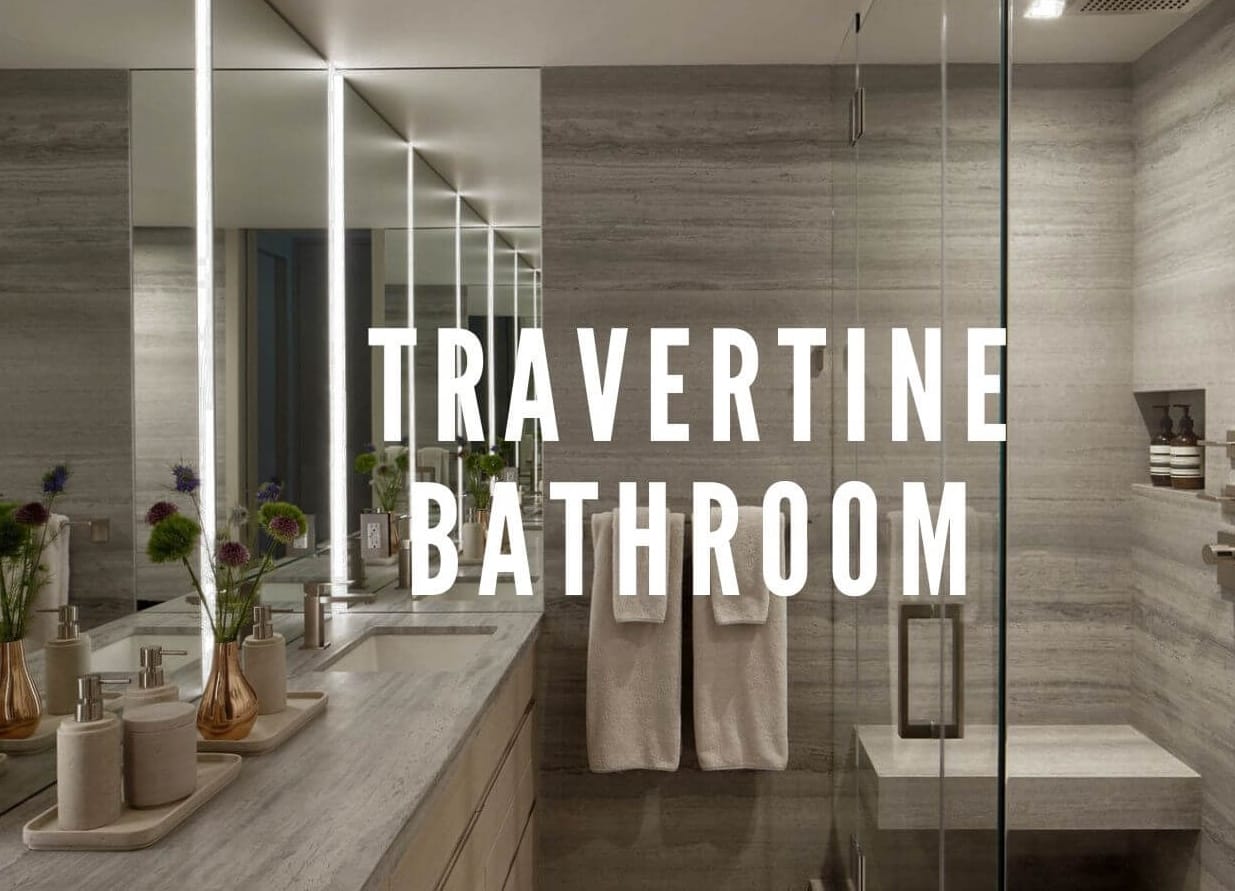
Silver Travertine is a type of natural travertine stone known for its elegant silver and gray coloration. Travertine itself is formed from mineral deposits in natural springs, giving it a unique veined and textured surface that cannot be replicated by artificial tiles. The silver hue adds a modern, neutral tone that works well in various design styles, from minimalist and contemporary to classic luxury.
Unlike other stones, Silver Travertine has subtle linear veining that adds depth and character without making the bathroom feel busy. Its natural variations mean every slab is unique, allowing you to create a space with personality and a touch of nature.
Pros of Using Silver Travertine in Bathrooms
1. Timeless Aesthetic Appeal
The neutral silver and gray tones of Silver Travertine complement almost any color scheme, making it easy to pair with white sanitaryware, chrome fixtures, or even bold accent tiles. Its understated elegance can elevate a bathroom from ordinary to spa-like luxury.
2. Versatility
Silver Travertine can be used in multiple areas of a bathroom, including floors, walls, shower enclosures, vanity tops, and even bath surrounds. Its versatility allows designers to create cohesive, seamless looks throughout the space.
3. Natural Texture for Safety
Bathrooms can be slippery, especially when wet. The slightly textured surface of Silver Travertine provides better grip compared to polished tiles, reducing the risk of slips and falls, making it a practical option for families.
4. Durability
When properly sealed, Silver Travertine is highly durable and resistant to wear. It withstands moisture, temperature changes, and heavy foot traffic—common challenges in bathrooms—without losing its natural beauty.
5. Eco-Friendly Option
As a natural stone, Silver Travertine is environmentally friendly and sustainable. It doesn’t contain harmful chemicals or plastics, which appeals to homeowners who care about green building materials.
Cons of Using Silver Travertine in Bathrooms
1. Requires Sealing
Travertine is naturally porous, which means water and stains can penetrate if the stone isn’t sealed properly. To maintain its beauty and prevent damage, Silver Travertine should be sealed during installation and resealed periodically—usually every 1–2 years depending on usage.
2. Higher Initial Cost
Compared to standard ceramic or porcelain tiles, Silver Travertine is more expensive upfront. However, its durability and timeless appeal often justify the investment, especially in high-end or long-term projects.
3. Sensitive to Harsh Chemicals
Acidic cleaners, bleach, or abrasive scrubbers can damage Silver Travertine surfaces. Homeowners need to use pH-neutral cleaning products to preserve the stone’s finish.
4. Natural Variations
While the unique veining is a pro for many, some homeowners may find the natural color and pattern variations inconsistent. Careful planning during installation is necessary to achieve a harmonious look.
Design Tips for Bathrooms with Silver Travertine
1. Pair with Neutral or Soft Tones
Silver Travertine works beautifully with whites, soft grays, and muted blues. For a calming spa-like atmosphere, consider pairing it with a white bathtub, vanity, and chrome fixtures.
2. Highlight Natural Veins
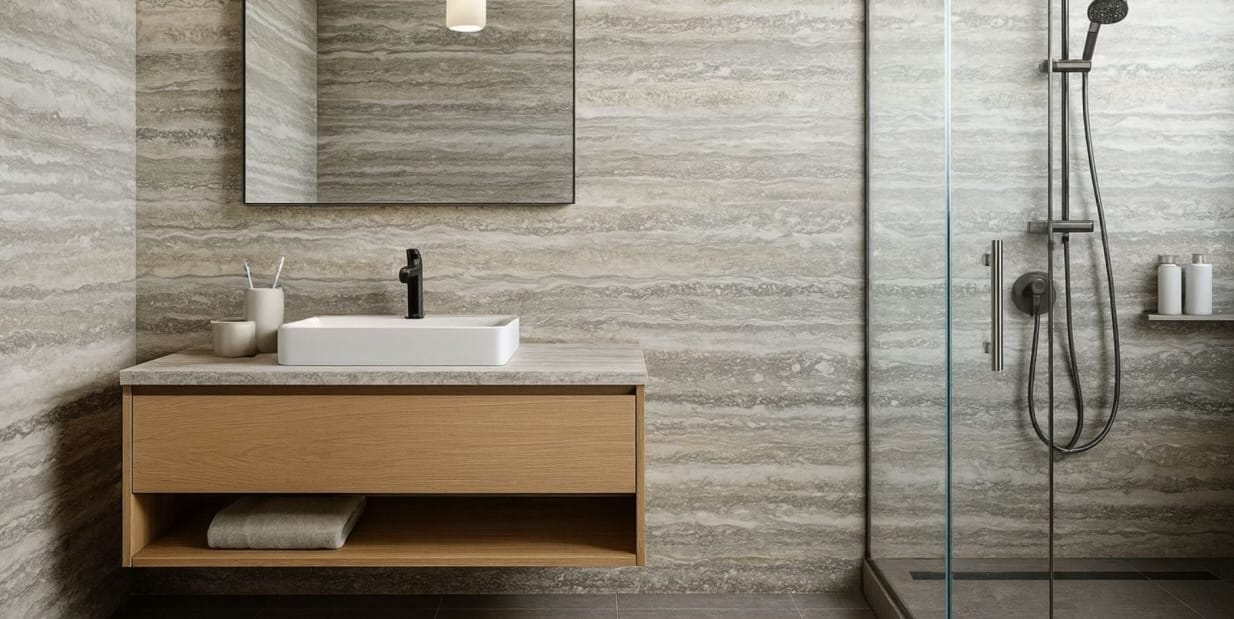
Lay tiles in a way that emphasizes the stone’s natural linear veins. Using larger slabs can reduce grout lines and showcase the continuity of the stone, giving the bathroom a seamless, luxurious look.
3. Combine with Other Materials
Silver Travertine pairs well with other natural materials like wood, glass, or brass. For example, a wooden vanity can warm up the cool silver tones, while brass fixtures add a touch of elegance.
4. Proper Sealing and Maintenance
Ensure your contractor applies a high-quality sealant to prevent water absorption. After installation, clean regularly with a soft cloth and pH-neutral cleaner. Avoid harsh chemicals that can etch or discolor the stone.
5. Consider Lighting
Lighting plays a key role in highlighting the beauty of Silver Travertine. Natural light or soft warm LED lighting enhances the stone’s subtle veins and gives the bathroom a bright, airy feel.
6. Mix Finishes for Visual Interest
Use a combination of honed (matte) and polished finishes in different areas—for example, honed on floors for safety and polished on vanity countertops for a glossy touch. This adds dimension without compromising functionality.
At the end of this article, it can be summarized as follows :
Silver Travertine is an excellent choice for bathrooms that aim to balance style, durability, and timeless elegance. While it requires proper sealing and care, the benefits—versatility, natural beauty, and a luxurious aesthetic—make it well worth the investment. Whether you are renovating a modern Sydney apartment or designing a luxury home, Silver Travertine can create a bathroom that feels sophisticated, serene, and uniquely yours.
By carefully planning layout, finishes, and maintenance, homeowners can enjoy the beauty of Silver Travertine for decades, making it a practical yet luxurious option for any bathroom design.