


Cheap patio pavers can still create a durable, attractive outdoor space when the material, layout and base preparation suit the project. The best value is not always the lowest price per paver: delivery, cuts, base materials, drainage and installation all affect the finished cost.
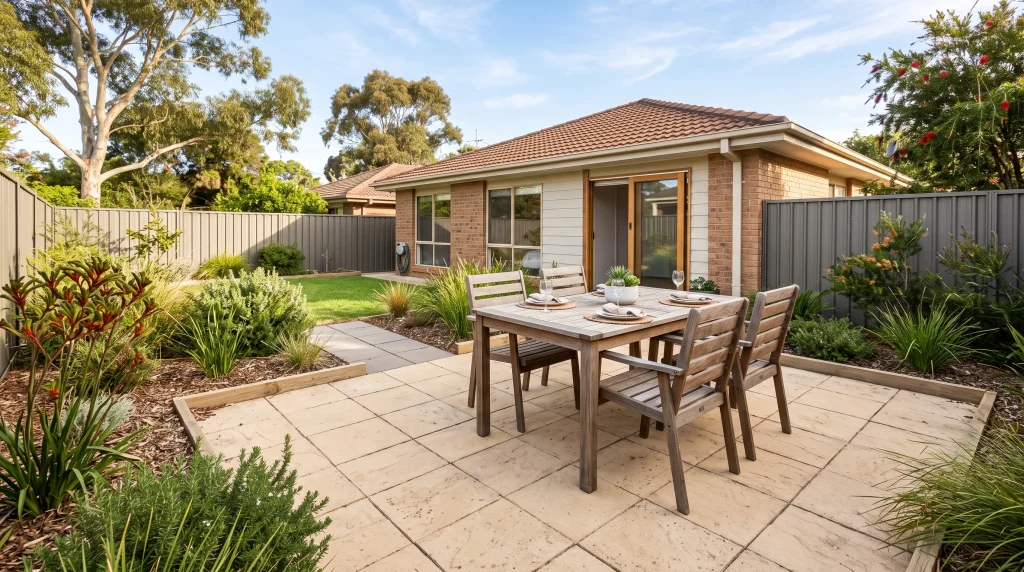
Quick Answers About Cheap Patio Pavers
What is the cheapest patio paving option?
Simple concrete pavers and straightforward rectangular layouts are often the most economical starting point. Compare the total installed cost, not only the material price.
Can cheap patio pavers last?
Yes. A stable, well-drained base and suitable paver thickness matter more than choosing the cheapest product alone.
How can I reduce patio paving costs?
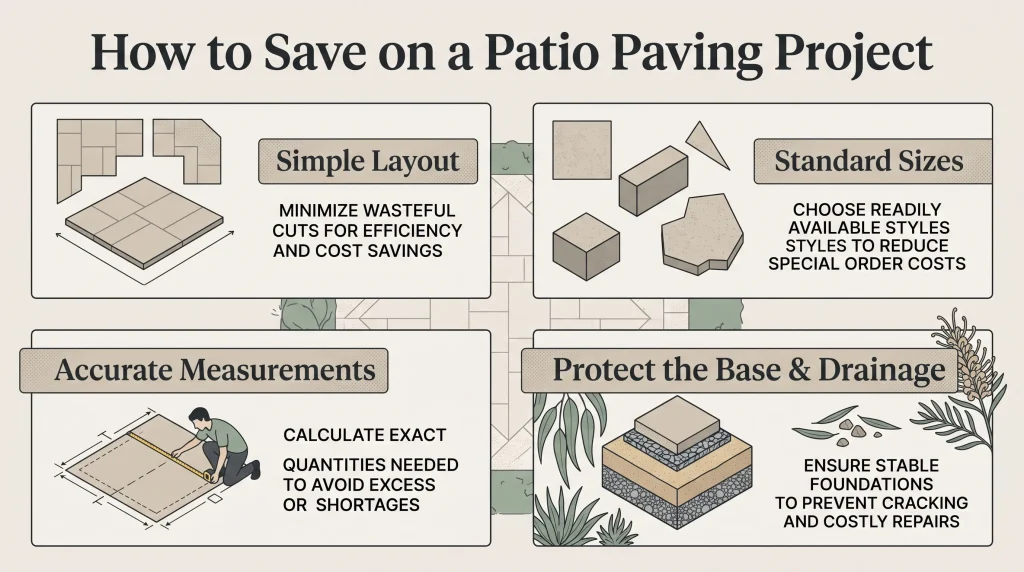
Use a simple shape, minimise cuts, keep the layout regular and plan the patio size accurately before ordering.
Are natural stone pavers always expensive?
Not necessarily. Some stone ranges can be good value, but variation, sealing and installation should be included in the budget.
Should I install patio pavers myself?
A small, simple patio may suit an experienced DIY installer. Drainage, large-format pavers and complex levels are better handled by a professional.
Affordable Patio Paving Ideas
For a budget-conscious patio, start with a clear use: dining, a small seating zone, a path connection or a poolside area. A compact rectangular patio with standard-size pavers usually creates less waste than curves, circles or multiple border treatments.
| Approach | Why it can save money | Watch for |
|---|---|---|
| Standard rectangular pavers | Fewer cuts and a faster layout | Confirm the paver suits outdoor use |
| Simple running-bond pattern | Efficient use of pavers with a familiar look | Keep joints consistent |
| Smaller defined patio | Reduces material, base and labour requirements | Allow enough space for furniture and circulation |
| Natural-stone feature zone | Uses premium stone where visual impact is highest | Match thickness and installation method |
Choose a Patio Paver for the Way You Use It
For relaxed entertaining, prioritise comfort, cleaning and a finish that suits the home. For a driveway or vehicle-access area, use a system designed for that load; a patio paver is not automatically suitable for cars. Our guide to choosing the right paving for your patio explains how use, climate and maintenance change the decision.
| Patio priority | Materials to explore | Useful next step |
|---|---|---|
| Warm, natural look | Travertine or sandstone | Review finish, colour variation and care needs |
| Modern, low-maintenance look | Porcelain | Check the recommended installation system |
| High-traffic outdoor area | Granite | Confirm thickness and loading requirements |
Do Not Cut These Costs
Do not compromise on sub-base compaction, drainage fall, edge restraint or a paver specification suitable for the intended use. The Australian Government’s YourHome stormwater guidance recommends minimising hard surfaces where possible and planning drainage so water is managed on site rather than directed towards neighbouring properties.
- Measure the space before ordering and allow for cuts and a small spare quantity.
- Check the ground level and where water will drain after rain.
- Use a suitable compacted base rather than laying pavers directly over loose soil.
- Choose an installer for complicated falls, retaining edges or large-format paving.
Patio Paver Products and Categories
Explore a warm natural option such as Veincut Travertine, or browse limestone pavers, travertine pavers and porcelain pavers to compare styles for your patio.
Need Help Choosing Patio Pavers?
Bring your approximate measurements, photos of the area and an idea of how you will use the patio. Contact Hunter Pavers to discuss suitable paving options, availability and delivery for your project.
Frequently Asked Questions
How much extra patio paving should I order?
Allow a modest quantity for cuts, breakages and future repairs; the exact amount depends on the layout and paver size.
What patio pattern creates the least waste?
Simple rectangular layouts and straight edges generally require fewer cuts than curves or diagonal patterns.
Can patio pavers be laid over concrete?
Sometimes, but the existing slab condition, drainage and finished height must be assessed first.
Do patio pavers need sealing?
It depends on the material, finish and exposure. Follow the supplier’s care advice for the selected paver.
Which pavers are best for a wet patio?
Select an outdoor-rated finish with suitable slip resistance and ensure the patio drains correctly.