


Buying the right sealer for travertine can make a big difference in how your stone looks and lasts. Travertine is a beautiful natural stone, but it is porous, which means it can absorb water, oils, and stains if not protected. A good sealer creates a barrier that keeps spills, dirt, and moisture from damaging your stone.
Sealer for Travertine: Everything You Need to Know Before Buying
Before buying, consider the two main types of sealers: penetrating and surface sealers. Penetrating sealers soak into the stone and protect it without changing its natural look, making them perfect for floors, patios, and high-traffic areas. Surface sealers sit on top of the stone, often giving a shinier finish while providing extra protection for decorative tiles or countertops.
You should also decide between water-based and solvent-based sealers. Water-based options are low-odor, quick-drying, and safe for indoor use, while solvent-based sealers are stronger, more durable, and ideal for outdoor or heavy-traffic areas.
Choosing Hunterpavers one of the right sealer for travertine ensures your stone stays beautiful, easy to clean, and protected for years, making your investment worth every penny.
Importance of Sealing Natural Travertine Surfaces
Travertine is a beautiful natural stone known for its warm, classic appearance and unique textures. However, it is naturally porous, which makes it vulnerable to stains, water damage, and etching from acidic substances. Without proper protection, everyday spills and environmental factors can gradually dull the surface and compromise its structural integrity. This is where a sealer for travertine becomes essential.
Sealing travertine doesn’t just preserve its look—it enhances its durability. A quality sealer penetrates the stone or forms a protective surface layer, acting as a shield against moisture, oil, and other contaminants. This is particularly important in high-traffic areas like kitchens, bathrooms, or commercial spaces, where the risk of spills and wear is higher.
Additionally, sealing helps reduce maintenance time and cost. A well-sealed travertine surface is easier to clean and resists staining, extending the life of the installation. For homeowners and businesses alike, investing in the right sealer for travertine ensures that the natural beauty of the stone remains vibrant for years while protecting the investment in both aesthetic and functional terms.
Travertine Sealer Benefits
Investing in a high-quality sealer for travertine is one of the easiest ways to protect your stone and keep it looking beautiful for years. Travertine is naturally porous, which means it can absorb liquids, oils, and dirt quickly. Without sealing, everyday spills like coffee, wine, or cooking oil can leave stubborn stains that are difficult to remove. A good sealer creates an invisible barrier that repels water, oil, and other contaminants, reducing the risk of permanent damage.
Beyond stain protection, a sealer also helps prevent etching caused by acidic substances such as lemon juice or vinegar. Even regular cleaning products can dull unsealed travertine over time. Applying a quality sealer keeps the surface smooth, easy to clean, and visually appealing.
Sealers are not only about protection! they also save time and money. A sealed surface requires less maintenance and avoids costly repairs or replacements. Whether for floors, countertops, bathrooms, or outdoor patios, a travertine sealer enhances durability and preserves the stone’s natural elegance.
For homeowners and businesses looking for a simple, long-term solution, choosing the right sealer for travertine is a smart investment that keeps the stone safe, vibrant, and low-maintenance.
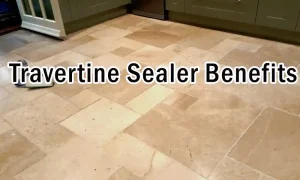
Protection Against Stains, Moisture, and Etching
A sealer for travertine provides essential protection that enhances both the look and longevity of your stone surfaces. Because travertine is porous, it can absorb liquids quickly, leading to staining from oils, wine, or everyday spills. Sealing the surface creates a barrier that prevents harmful substances from penetrating deep into the stone.
Besides protecting against stains, sealers also prevent moisture damage. Water can cause travertine to weaken or promote mold growth, especially in bathrooms or outdoor patios. Sealers help maintain the structural integrity of the stone by limiting water absorption.
Etching is another common problem—caused by acidic substances like lemon juice or vinegar reacting with the calcium content in travertine. While no sealer can make the stone completely acid-proof, a high-quality sealer for travertine reduces the intensity of etching and keeps surfaces looking polished.
Key benefits of sealing travertine include:
- Resistance to stains from oil, food, and liquids
- Protection against water absorption and moisture damage
- Reduced risk of etching from acidic spills
- Easier cleaning and maintenance over time
Sealing ensures that travertine surfaces remain beautiful, functional, and low-maintenance, whether indoors or outdoors.
Types of Travertine Sealer
When it comes to protecting your travertine, choosing the right sealer for travertine is important. There are two main types: penetrating sealers and surface sealers.
Penetrating sealers soak into the stone and create a protective barrier inside. They do not change the natural look of travertine, so your stone keeps its original color and texture. These sealers are perfect for areas like kitchens, bathrooms, or outdoor patios where moisture and stains are common. They are low maintenance and allow the stone to breathe, which helps prevent damage from trapped water.
Surface sealers, on the other hand, sit on top of the stone and form a thin protective layer. They often make travertine look shinier and enhance its natural colors. Surface sealers are best for decorative floors, countertops, or walls where appearance is important. They protect against spills, dirt, and light wear but may need reapplication more often than penetrating sealers.
Choosing the right type depends on your needs. If you want long-lasting protection without changing the look, a penetrating travertine sealer is ideal. If you want extra shine and color enhancement, a surface sealer is a great choice. Either way, investing in a good sealer for travertine keeps your stone beautiful and protected for years.
Penetrating Sealer for Travertine
Penetrating sealers are designed to soak into travertine’s porous surface, creating protection from within without altering its natural appearance. This makes them ideal for homeowners or businesses that want to preserve the stone’s matte or honed look while still protecting it from stains and moisture.
These sealers work by filling microscopic pores and forming a barrier that prevents liquids and contaminants from being absorbed. Unlike surface sealers, they do not leave a glossy or plastic-like layer, making them the preferred choice for areas where natural beauty is the priority.
Penetrating sealers are particularly effective in high-moisture environments like kitchens, bathrooms, or outdoor patios. They are also breathable, allowing trapped moisture to escape without causing damage—a key benefit for maintaining travertine longevity.
For anyone looking to maintain the authentic character of their travertine while still protecting it, a penetrating sealer for travertine is a reliable and long-lasting solution.
Surface Sealer for Travertine
Surface sealers are applied on top of travertine and form a protective coating rather than soaking into the stone. This type of sealer for travertine enhances the stone’s natural colors and can add a slight sheen or glossy finish.
They are often used in decorative applications, such as polished floors or walls, where visual impact is as important as protection. Surface sealers act as a strong shield against spills, dirt, and daily wear, but they require more frequent maintenance than penetrating sealers since the layer can wear down over time.
A key advantage is the enhanced visual appeal, which makes travertine look fresh and vibrant. However, care must be taken during application to avoid streaking or uneven coverage. For areas with light traffic or decorative purposes, a surface sealer for travertine provides excellent protection while highlighting the stone’s natural beauty.
Water Based vs Solvent Based Travertine Sealer
Choosing the right sealer for travertine often comes down to deciding between water-based and solvent-based options. Both protect your stone, but they work in slightly different ways.
Water-based sealers are low in odor and easy to apply, making them perfect for indoor spaces like kitchens, bathrooms, or living areas. They dry quickly, are environmentally friendly, and usually require fewer precautions during application. The main benefit is convenience, but they may need reapplication slightly more often than solvent-based sealers.
Solvent-based sealers, on the other hand, are stronger and more durable. They penetrate deeply and provide long-lasting protection against stains, moisture, and heavy traffic. These sealers are ideal for outdoor areas, commercial spaces, or high-traffic floors. The trade-off is a stronger smell and a slightly longer drying time, so ventilation is recommended.
Both types have advantages depending on your project. If you want a safe, quick solution for indoor use, a water-based sealer for travertine is perfect. If maximum durability and long-term protection are your goal, a solvent-based sealer is the better choice. Understanding these differences helps you choose the right product for your travertine stone.
Performance and Durability Comparison
When comparing water-based vs solvent-based sealers, performance and durability are key factors.
Water-based sealers: Protect against spills and stains and preserve natural color. Easy to clean up and quick to dry. Best for low to medium traffic areas. Longevity is moderate, typically 1–3 years before resealing is needed.
Solvent-based sealers: Penetrate deeply and provide strong, long-lasting protection. Ideal for heavy-traffic floors and outdoor surfaces. Can resist harsh weather, UV rays, and frequent spills. Typically lasts 3–5 years or longer with proper maintenance.
Choosing between the two depends on your needs. For everyday household use and safety, water-based is practical. For commercial areas, patios, or outdoor applications where durability is essential, solvent-based is more reliable.
Investing in the right sealer for travertine ensures your stone looks its best while minimizing maintenance. Understanding performance and durability will help you make a confident choice and protect your stone for years to come.
Best Sealer for Travertine Floors
Floors face heavy foot traffic, spills, and daily wear, so choosing the best sealer for travertine floors is essential. A high-quality sealer not only protects the stone but also keeps it looking elegant and easy to clean.
Look for sealers that offer deep penetration to prevent stains and water damage while allowing the stone to breathe. Solvent-based sealers usually last longer, making them ideal for hallways, living areas, and commercial floors. For residential use, water-based sealers are a convenient, low-odor option that still provides good protection.
Sealers designed for floors often include added features such as slip resistance and resistance to scuffing. These benefits are especially important in kitchens, entryways, and outdoor areas where safety and durability matter.
Investing in a reliable travertine sealer for floors saves time and money in the long run. Sealed floors resist stains, require less cleaning, and maintain their polished look even under heavy use. Whether you are sealing a home or commercial space, choosing the right floor sealer ensures your travertine stays beautiful, functional, and long-lasting.
High-Performance Sealers for Residential and Commercial Use
High-performance sealers for travertine are designed to meet the demands of both residential and commercial spaces. These sealers provide strong resistance to stains, moisture, and daily wear.
For homes, they protect kitchen counters, bathrooms, and living areas while keeping the natural beauty of travertine intact. They are easy to apply and safe for indoor environments, especially water-based options.
In commercial settings, high-performance sealers are often solvent-based, offering deeper penetration and longer-lasting protection. They withstand heavy foot traffic, spills, and harsh cleaning chemicals, making them ideal for hotels, offices, and restaurants.
Some premium sealers also offer UV resistance for outdoor use and enhanced slip resistance for safety. Investing in a high-quality travertine sealer ensures that whether your stone is indoors or outdoors, it remains protected, easy to maintain, and visually appealing for years.
Travertine Sealer for Indoor Applications
Sealing indoor travertine is essential for keeping it beautiful and protected. Areas like kitchens, bathrooms, and living spaces are exposed to moisture, spills, and daily wear. A sealer for travertine acts as a barrier against these hazards, preserving the stone’s natural texture and color.
Indoor sealers are usually water-based because they are low-odor, quick-drying, and safe for living spaces. They prevent stains from food, oils, soaps, and cosmetics, reducing the need for aggressive cleaning. Sealing also makes routine maintenance easier and extends the life of the stone.
Whether it’s polished tiles in a bathroom, honed kitchen counters, or living room floors, the right sealer provides protection without changing the stone’s appearance. Regular sealing ensures that travertine surfaces stay clean, smooth, and resistant to etching or moisture damage.
A properly chosen travertine sealer for indoor applications is a simple investment that pays off over time, keeping your floors, countertops, and walls looking pristine while making cleaning and maintenance far easier.
Sealing Travertine Tiles, Bathrooms, and Kitchens
Sealing travertine in kitchens and bathrooms is especially important because these areas face constant moisture, spills, and potential staining. A sealer for travertine forms a protective barrier that keeps water, oils, and household products from soaking into the stone.
For tiles, sealing prevents grout discoloration and staining along edges. In bathrooms, it stops water absorption and mold growth. On kitchen countertops, it protects against oils, wine, and acidic foods that could damage the stone.
Applying the sealer is straightforward: clean the surface thoroughly, let it dry, and then apply the product evenly. Water-based sealers are great for indoor use due to low odor, while solvent-based options provide extra durability for high-traffic areas.
Regular resealing ensures long-lasting protection and keeps travertine looking polished and fresh. Choosing a quality travertine sealer for tiles, kitchens, and bathrooms makes maintenance easier, enhances durability, and preserves the natural beauty of your stone for years.
Travertine Sealer for Outdoor Use
Travertine used outdoors faces harsh conditions such as rain, snow, and direct sunlight. Using a quality sealer for travertine protects your stone from these elements and helps it last longer. Outdoor sealers prevent water absorption, reducing the risk of cracking during freeze-thaw cycles. They also protect against stains from dirt, leaves, or other debris.
Sealing outdoor travertine maintains its natural color and appearance despite exposure to weather. It also makes cleaning easier and prevents mold or mildew buildup on patios, walkways, or pool surrounds. Choosing the right outdoor sealer ensures your stone stays beautiful and functional year-round.
Regular sealing, combined with proper maintenance, is essential for preserving outdoor travertine. A high-quality travertine sealer for outdoor use is a smart investment that keeps your stone safe from weather damage while enhancing its natural elegance.
UV and Weather Resistant Sealers for Exterior Stone
Outdoor travertine is constantly exposed to sun, rain, and temperature changes. UV rays can fade colors, while water and ice can damage the stone. A UV and weather-resistant sealer for travertine forms a protective barrier to minimize these effects.
These sealers penetrate or coat the surface to repel water, dirt, and debris while resisting fading caused by sunlight. They are breathable, allowing moisture to escape without damaging the stone. Weather-resistant sealers are ideal for patios, driveways, pool decks, and exterior walls, where protection and durability are critical.
By applying a quality travertine sealer with UV and weather resistance, you keep your exterior stone looking vibrant, reduce maintenance needs, and extend the life of your installation. It is a simple step that safeguards your investment and preserves the natural beauty of your travertine.
Travertine Sealer Application Process
Applying a sealer for travertine correctly is key to long-lasting protection. A proper application ensures even coverage, optimal penetration, and maximum durability. Before sealing, the surface must be clean, dry, and free of dust, dirt, or residues. Any repairs, cracks, or holes should be fixed to prevent issues later.
Use a brush, roller, or cloth recommended for the specific sealer type. Apply in thin, even coats, following the manufacturer’s instructions. Penetrating sealers usually require fewer coats, while surface sealers may need multiple layers for enhanced protection. Remove any excess sealer promptly to avoid streaks or uneven finish.
A carefully applied travertine sealer creates a strong barrier against moisture, stains, and wear, ensuring your stone remains beautiful and durable. Following the correct process improves the sealer’s lifespan and reduces the need for frequent reapplications.
Surface Preparation and Proper Sealing Technique
Surface preparation is the most important step when sealing travertine. Begin by cleaning the stone thoroughly to remove dirt, dust, grease, or old sealers. Allow the surface to dry completely before applying the product.
Use the recommended tool—such as a brush, roller, or microfiber cloth—to apply the sealer for travertine evenly. For penetrating sealers, ensure enough time is given for absorption. For surface sealers, apply thin, consistent layers to avoid streaking. Avoid over-application, as it can leave sticky or uneven patches.
Proper technique ensures maximum protection and a smooth, professional finish. Preparing the surface correctly and following manufacturer instructions guarantees that your travertine sealer performs at its best and keeps your stone safe for years.
Drying and Curing Time of Travertine Sealer
After applying a sealer for travertine, understanding drying and curing times is critical. Drying is when the surface feels dry to touch, while curing is when the sealer fully hardens and achieves maximum protection.
Curing time depends on sealer type, climate, and humidity. Water-based sealers usually dry quickly but may need several hours to fully cure. Solvent-based sealers often take longer but provide deeper protection. Avoid walking on or cleaning the surface until curing is complete.
Following proper curing conditions ensures your travertine sealer lasts longer, resists stains, and maintains the stone’s natural look. Patience during this stage guarantees the best results and prolongs the life of your travertine installation.
Long-Lasting Results with Correct Curing Conditions
For optimal performance, allow your travertine sealer to cure fully under recommended conditions. Avoid exposure to rain, heavy traffic, or cleaning products during the curing period. Proper ventilation and stable temperatures help the sealer bond effectively with the stone.
Correct curing ensures that the stone is fully protected against stains, moisture, and wear. Rushing this process can reduce durability and lead to premature damage. Following manufacturer guidelines provides long-lasting results and keeps your travertine looking vibrant and well-maintained for years.
Travertine Sealer Maintenance
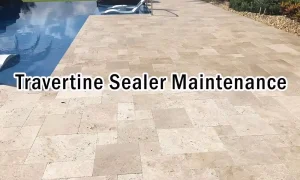
Maintaining sealed travertine is essential for long-term protection. A sealer for travertine prevents stains and damage, but proper care ensures it continues to perform effectively. Clean surfaces regularly with pH-neutral products to avoid harming the sealer.
Avoid abrasive cleaners or harsh chemicals that can strip or damage the protective layer. Inspect your stone periodically for signs of wear or dullness. Resealing may be required every 1–3 years depending on traffic, weather, and sealer type.
Proper maintenance extends the life of your travertine, keeps it looking fresh, and saves money on repairs. A well-maintained travertine sealer ensures your floors, countertops, and outdoor stone surfaces remain beautiful and durable over time.
Extending the Life of Sealed Travertine Surfaces
To extend the life of sealed travertine, regular cleaning and preventive care are essential. Wipe spills promptly, use rugs in high-traffic areas, and avoid dragging heavy furniture over the stone.
Periodic inspection helps identify areas needing touch-ups or resealing. Applying the right sealer for travertine at recommended intervals maintains the stone’s protection and appearance. Consistent care ensures your travertine remains smooth, stain-free, and visually appealing for years, maximizing your investment.
Professional Grade Travertine Sealer
Professional-grade sealers are designed for heavy-duty use in commercial and industrial settings. These products offer superior penetration, durability, and resistance to chemicals, UV rays, and heavy traffic. Choosing a professional-grade sealer for travertine ensures maximum protection for high-demand applications.
These sealers are ideal for hotels, restaurants, office buildings, and public spaces where both aesthetics and longevity matter. They are also used in industrial projects requiring long-lasting stone protection under challenging conditions.
Investing in a professional travertine sealer protects your stone, reduces maintenance, and ensures consistent performance even under extreme wear, making it a smart choice for demanding environments.
Industrial and Commercial Stone Protection Solutions
In industrial and commercial settings, travertine is exposed to high foot traffic, spills, and harsh cleaning routines. Professional travertine sealers provide deep penetration and long-lasting protection.
They resist stains, water, chemicals, and UV damage while preserving the stone’s appearance. Using these sealers reduces maintenance costs and extends the stone’s life, making them ideal for hotels, office lobbies, and restaurants.
High-performance travertine sealers for commercial use ensure that your stone surfaces remain safe, attractive, and durable, protecting both your investment and the experience of visitors or customers.