

This material is for black limestone paving with dense and very durable properties that can be used for interior and exterior design. We are sure that black limestone with its attractive black color will give your flooring a modern and classic look. Limestone is a sedimentary substance of chemical or biological origin mainly composed of calcium carbonate and powerfully combines with metals.
What Is Limestone Paving?
Limestone is a natural sedimentary stone, mainly composed of calcium carbonate. For paving, it is valued for its calm colour palette, relatively consistent appearance and the way it can suit both contemporary and traditional outdoor spaces. Limestone pavers are commonly selected for patios, garden paths, courtyards and other residential landscape areas where a natural-stone finish is wanted.
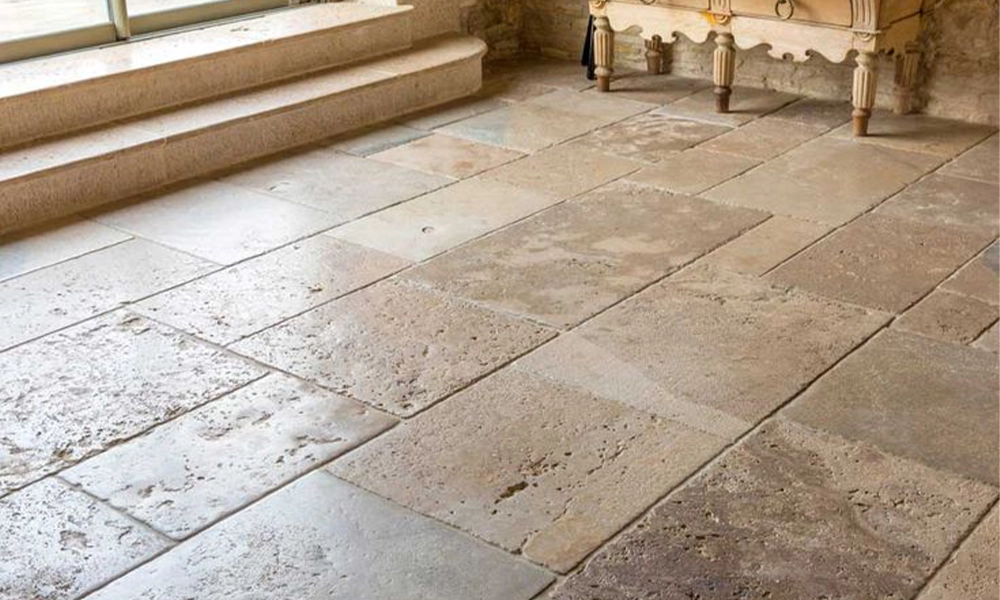
Colours range from charcoal black and blue-grey through to light grey, cream, beige and tan. Compared with highly varied stones, many limestone ranges offer a more unified look across a paved area. Explore the available limestone pavers at Hunter Pavers to compare finishes and colours for your project.
Where Can Limestone Be Used?
Limestone is a versatile building material. In its cut-paver form, it is suited to outdoor paved surfaces; in crushed form, limestone is also used in bases, drainage layers and road-construction applications. The right product, thickness and installation system should always match the location, substrate and anticipated traffic.
| Application | Why Limestone Can Suit It | Key Planning Point |
|---|---|---|
| Patios and courtyards | A refined natural finish with a broad choice of neutral colours. | Choose a finish that suits the desired look and local slip-resistance requirements. |
| Garden paths | Cut pieces can create a clean, coordinated route through landscaping. | Build a stable, well-drained base to reduce movement over time. |
| Outdoor entertaining areas | Comfortable-looking, natural surface that pairs well with planting, timber and stone walls. | Use an appropriate sealer and clean spills promptly. |
| Interior floors and wall features | Its soft visual texture can bring warmth to kitchens, entries and living areas. | Confirm suitability for the room and protect it from acidic cleaners. |
Limestone Colours, Texture and Structure
Limestone is dense enough for many paving applications, but it is still a natural stone with pores and natural variation. Its texture often becomes soft and velvety when cut, while its grains make it possible to produce clean, decorative shapes. Saw-cut edges create a crisp architectural look; tumbled or textured finishes can create a more relaxed character.
Black limestone is a popular option for a modern patio because its charcoal tone and straight edges can frame planting and outdoor furniture beautifully. Cream and light-grey limestones, on the other hand, are often chosen to brighten garden areas. If you are comparing stone types, see our guides to granite, sandstone and marble.
Is Indian Limestone Good for Patios?
Indian limestone is widely used for patios because it can combine natural colour, a tactile surface and good day-to-day durability when it is specified and installed correctly. Many ranges have a naturally textured finish that can provide useful underfoot grip. As with every natural stone, individual products differ, so assess samples, finish, thickness and project conditions rather than treating all limestone as identical.
For a patio that performs well over time, allow for drainage, use a sound base and follow the supplier and installer’s guidance for jointing, sealing and cleaning. Avoid acidic cleaners: acids can react with calcium-carbonate stone and etch the surface.
Limestone Paving Price Considerations
Limestone paving is available across different price points. The final project cost depends on the stone range, size and thickness, finish, quantity, site access, base preparation, drainage, cutting and installation labour. It may cost more than some manufactured paving options, yet many homeowners choose it for its natural appearance and long service life when maintained properly.
For a product-led comparison and current options, visit our limestone collection or contact Hunter Pavers with your area measurements and intended application.
Care Tips for Limestone Paving
- Sweep grit and leaves away regularly to reduce surface abrasion and organic staining.
- Clean spills promptly with a pH-neutral stone cleaner; do not use vinegar, lemon or harsh acidic products.
- Use a sealer suitable for the specific limestone and location, following the product directions.
- Check drainage and joints periodically, particularly around garden beds and wet areas.
Read our practical limestone paver cleaning guide for more detailed maintenance advice.
Frequently Asked Questions
Is limestone suitable for outdoor paving?
Yes, many limestone products are used for patios, paths and courtyards. Select a product and finish suited to outdoor use, and install it on a stable, well-drained base.
Does limestone get slippery when wet?
Slip resistance depends on the specific finish, surface condition, drainage and maintenance. Textured finishes may offer more grip than polished surfaces; confirm the product’s suitability for your location.
Can limestone be used around a pool?
It can be considered for pool surrounds when the chosen product, finish and installation detail are appropriate. Discuss slip resistance, salt or chemical exposure, sealing and drainage with your installer before ordering.
How often should limestone paving be sealed?
There is no single schedule for every stone. Sealer performance depends on the product, exposure, traffic and cleaning routine. Follow the sealer manufacturer’s instructions and reseal when water no longer beads as expected.
What should not be used to clean limestone?
Avoid acidic cleaners and abrasive pads. Use a pH-neutral cleaner designed for natural stone and a soft brush or mop.