

Red travertine is a natural stone known for its rich shades of red, ranging from terracotta to deeper rust tones. It’s a durable, versatile material commonly used for floors, countertops, and outdoor areas like patios and pool decks. Due to its porous nature, it requires proper sealing to protect against moisture and stains. Travertine works well in areas that need a warm, earthy feel, such as living rooms, bathrooms, and entryways. The natural variations in color and texture add character to any space, making it a popular choice for both modern and traditional designs.
Where to buy Red Travertine
If you’re looking to purchase high-quality red travertine, the best option is to shop online at trusted suppliers. hunterpavers offer a range of red travertine tiles in various sizes and finishes. The site ensures that the stones are sourced from reputable quarries and that the quality is top-notch. You can explore different shades of red, including vibrant terracotta and more muted rust tones, perfect for a variety of indoor and outdoor applications. Be sure to select the right finish and tile size to match your project needs.
Most popular red travertine tile sizes (12×24, 16×16, 24×24)
When purchasing red travertine tiles, it’s important to choose the right size for your project. The most popular sizes are 12×24 inches, 16×16 inches, and 24×24 inches. The 12×24 size is perfect for creating a modern, linear look, while the 16×16 size is ideal for more traditional, uniform patterns. The 24×24 size offers a bold statement for larger areas, giving an elegant, seamless finish. Each size works well for different spaces and installation types, whether it’s for floors, walls, or feature accents.
Best finish to buy
The finish of red travertine greatly affects its appearance and durability. Honed finishes are the most popular choice, as they offer a smooth, matte look that is perfect for both indoor and outdoor spaces. If you’re looking for a more natural, textured finish, a tumbled finish adds an antique, weathered feel to your space. Polished finishes, while less common for travertine, give the stone a glossy sheen and are best suited for high-end interiors. The finish you choose should match the ambiance of your space and your maintenance preferences.

Filled vs unfilled red travertine
When shopping for red travertine, you’ll encounter two types: filled and unfilled. Filled red travertine has had its natural holes and voids filled with a resin or cement mixture, resulting in a smoother, more uniform surface. This type is ideal for areas where dirt and grime might accumulate, as it is easier to clean. Unfilled red travertine, on the other hand, preserves its natural texture and appearance, giving it a more rustic and authentic look. It is often used in outdoor settings or where the natural look is preferred. Both options offer unique aesthetic qualities, so choose based on your design vision.
Red travertine pavers for patios, pools and driveways
Red travertine pavers are a fantastic choice for patios, pool decks, and driveways due to their durability and aesthetic appeal. These pavers offer a warm, rustic look while being able to withstand heavy foot traffic and weather conditions. For outdoor projects, it’s important to choose pavers with the right thickness to ensure they can handle the demands of constant use and changing temperatures. Red travertine pavers are also slip-resistant, making them a safe choice for pool areas. They can also handle the heat, making them suitable for areas with hot climates.
Best paver thickness for outdoor projects (1.25” vs 2”)
When selecting red travertine pavers for outdoor spaces like patios, pools, or driveways, choosing the right thickness is crucial. Pavers typically come in 1.25-inch and 2-inch thicknesses. The 1.25-inch thickness is often used for light-duty applications, such as patio flooring or garden walkways. For heavy-duty areas, such as driveways or pool decks, the 2-inch thickness is recommended. Thicker pavers offer greater durability and strength to handle the weight of vehicles and large foot traffic without cracking.
Is red travertine good for pool decks in hot climates?
Yes, red travertine is an excellent choice for pool decks, especially in hot climates. The stone remains cool to the touch, making it comfortable to walk on even during the hottest days. Red travertine’s porous nature allows for better heat dissipation, preventing the surface from getting too hot under direct sunlight. It is also slip-resistant, providing safety around pools. With proper sealing, red travertine can withstand exposure to pool chemicals and maintain its vibrant color for years.
Tumbled red travertine pavers
Tumbled red travertine pavers are a popular option for both residential and commercial outdoor spaces. The tumbling process gives the stone a weathered, antique appearance with rounded edges and a textured surface. These pavers are ideal for creating a rustic, charming look in gardens, patios, and walkways. The tumbled finish also enhances the natural slip resistance of the stone, making it safer for pool decks and other wet areas. They require minimal maintenance and are a timeless choice for those looking to create an inviting outdoor environment.

red travertine flooring pros and cons
Red travertine flooring can add warmth and luxury to any space, but it’s important to weigh its pros and cons before installation. One of the major advantages of red travertine is its unique color and texture, which adds character and beauty to your floors. It’s also a durable stone that can last for decades with proper care. However, travertine can be more porous than other stones, which means it requires regular sealing to prevent stains and moisture penetration. Additionally, it may scratch more easily than harder stones like granite, especially in high-traffic areas.
Does red travertine scratch easily?
Red travertine is relatively soft compared to other stones, which means it can be prone to scratching, especially in high-traffic areas. While it is durable, the surface can show wear over time, especially in places where furniture or heavy items are moved frequently. To minimize scratches, consider using area rugs or mats in high-traffic zones. Sealing the surface also helps protect the stone from minor abrasions. In general, with regular maintenance and care, the durability of red travertine can be extended, and its aesthetic value preserved.
Best grout colors to match red travertine floors
When installing red travertine floors, choosing the right grout color is essential to highlight the natural beauty of the stone. A neutral grout color, such as light beige, cream, or gray, is often the best choice, as it complements the warm tones of red travertine without overwhelming the space. For a more dramatic look, dark-colored grouts like charcoal or dark brown can create a striking contrast, making the red tones of the stone pop. Ultimately, your grout choice should enhance the overall aesthetic of your space and coordinate with other design elements.
Polished red travertine floors
Polished travertine flooring offer a sleek, high-end look, with a glossy finish that brings out the vibrant hues of the stone. This polished surface enhances the color depth and adds an elegant, reflective quality to the floors. However, polished travertine can show scratches and wear over time, so it’s best suited for lower-traffic areas or those that are well-maintained. It’s also more prone to staining, so it’s essential to seal polished red travertine regularly to protect the surface and maintain its shine.
Red travertine bathroom floor ideas
Red travertine can make an elegant statement in bathroom flooring. Its rich, earthy tones bring warmth to the space and can create a spa-like ambiance. Whether used on the floor or as an accent feature, red travertine’s natural beauty and texture can complement a variety of bathroom styles, from modern to rustic. It pairs beautifully with neutral walls and fixtures, creating a balanced and inviting atmosphere.
Can red travertine be used inside showers?
Yes, red travertine can be used inside showers, but it requires proper sealing to protect against water absorption and staining. Its porous nature makes it vulnerable to moisture, so it’s essential to apply a high-quality sealer and reapply it regularly. A honed finish is generally the best choice for shower areas, as it provides a smooth surface that resists water damage while maintaining the stone’s beauty.
Best sealer for red travertine bathroom tile
When sealing red travertine bathroom tiles, it’s important to choose a high-quality, penetrating sealer that offers maximum protection against water and stains. A good sealer will prevent moisture from penetrating the stone and help maintain its color. For bathroom applications, a wet-look sealer can enhance the stone’s natural texture and provide an added layer of protection. Always make sure to follow the manufacturer’s instructions for proper application and re-sealing.
Red Travertine vs Marble vs Limestone
When choosing between red travertine, marble, and limestone, it’s essential to consider factors like appearance, durability, and maintenance requirements. Red travertine offers a more rustic, earthy look with its warm tones and natural texture, while marble is more luxurious and polished with high-end appeal. Limestone, on the other hand, provides a softer, more neutral palette that suits a wide range of applications. For areas that need to withstand high traffic or exposure to moisture, travertine and limestone may be better options, while marble requires more care to prevent damage.
Which stone stains less and lasts longer?
Marble is more prone to staining compared to red travertine and limestone, as it’s more sensitive to acidic substances. Both red travertine and limestone are relatively resistant to stains, although they still require regular sealing to maintain their appearance. In terms of longevity, travertine generally outlasts marble in high-traffic and outdoor settings due to its durable composition. However, proper care and maintenance can extend the life of any of these stones.
Best choice for kitchens, bathrooms, and outdoors
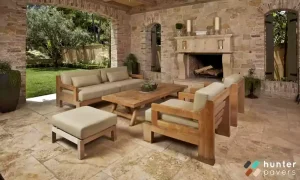
For kitchens and bathrooms, red travertine is a great choice due to its natural beauty, durability, and variety of finishes. It works well in high-moisture areas, especially when sealed properly. In outdoor settings, red travertine is ideal for patios and walkways because it’s durable and heat-resistant. For high-traffic areas, limestone might be a better option, while marble is more suited for luxury, low-traffic spaces.
Red travertine installation guide
Installing red travertine can be a rewarding project, but proper installation is crucial to ensure the longevity and appearance of the stone. Whether you’re installing tiles, slabs, or pavers, following a proper procedure will prevent future issues like cracking or shifting. Be sure to prepare the surface, apply the appropriate adhesive, and allow for adequate spacing and leveling. Sealing the stone before and after installation is also essential to protect it from water damage and staining.
Recommended sealing steps before and after grouting
Before grouting, apply a penetrating sealer to the surface of red travertine. This will prevent the grout from staining the stone and make cleaning easier. After grouting, clean off any residue and allow the grout to cure fully before applying a final layer of sealer. This helps protect the stone from moisture, dirt, and other contaminants, keeping it looking fresh for longer.
Common installation mistakes that cause cracks and lippage
One of the most common installation mistakes is failing to properly level the surface before installing red travertine. Uneven subfloors or foundations can lead to cracks and lippage (uneven edges between tiles). Another mistake is using the wrong adhesive or mortar, which can cause tiles to shift or lift. Proper surface preparation and choosing the correct materials for the job are key to avoiding these issues and ensuring a long-lasting, beautiful result.
How to clean and maintain red travertine without damage
To keep your red travertine looking beautiful for years, it’s essential to clean and maintain it regularly. Use a gentle, pH-neutral cleaner to remove dirt and grime without damaging the surface. Avoid harsh chemicals, as they can erode the stone. Sealing your red travertine periodically is also important to prevent stains and moisture penetration. For tougher stains, use a soft cloth and mild abrasive cleaner, and be sure to reapply the sealant every 12 to 18 months.
Best cleaner for red travertine (and what to avoid)
The best cleaner for red travertine is a pH-neutral cleaner specifically designed for natural stone. These cleaners are gentle yet effective at lifting dirt without damaging the stone’s surface. Avoid using acidic cleaners like vinegar or lemon-based products, as they can etch and dull the stone. Always test any new cleaner on a small, inconspicuous area before applying it to the entire surface to ensure it doesn’t cause damage.
Red travertine design ideas for modern and classic interiors
Red travertine adds warmth and texture to both modern and classic interiors. Whether you’re designing a rustic, country-style home or a sleek, contemporary space, red travertine fits beautifully. It pairs well with wood, metal, and other natural materials, creating a harmonious blend of modern elegance and classic charm. From floors to feature walls, red travertine can be used creatively to enhance any room’s aesthetic.
Comparison of different and popular travertine colors
When choosing between red travertine, grey travertine, and other popular travertine colors, consider your design vision. Beige and cream travertine offer a more neutral, timeless look, while red travertine brings depth, warmth, and richness to a space. Grey travertine, on the other hand, provides a sleek, contemporary aesthetic that complements both modern and classic designs, offering a subtle yet sophisticated tone.
Other variations, like golden or ivory tones, add a light, bright feel, but red travertine provides a dramatic contrast and makes a bold design statement. Each color has its unique appeal depending on the atmosphere you wish to create.