Key Factors to Consider Before Choosing Outdoor Tiles
Before you decide on the best tile for outdoor flooring, it’s important to understand what really makes one material better than another. Outdoor tiles face harsher conditions than indoor ones — they deal with sun exposure, rain, humidity, and heavy foot traffic. Here are the most important factors you should consider before making your choice.
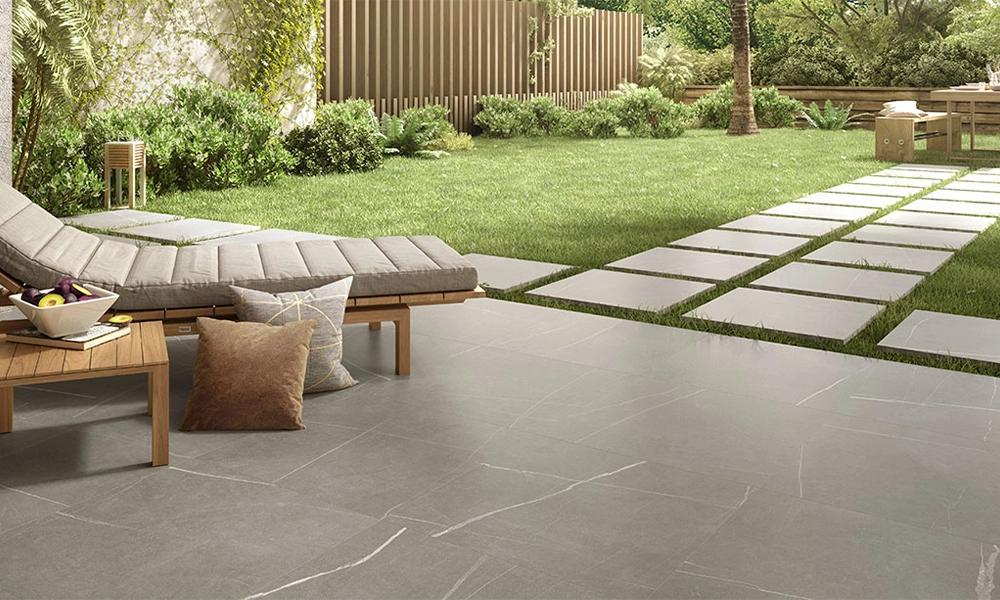
Durability and Strength
Outdoor spaces need materials that can handle constant pressure and sudden temperature changes. Porcelain, granite, and travertine tiles are known for their long-lasting strength. If you live in an area with extreme weather — hot summers or freezing winters — choose a tile with high resistance to cracking and fading.
Slip Resistance
Safety should always come first, especially for pool decks or patios that get wet. Look for tiles with a textured or matte surface that offers extra grip. Porcelain tiles with an anti-slip finish or naturally rough stones like sandstone and slate are excellent choices to prevent accidents.
Water Absorption
Tiles used outdoors should have very low water absorption to avoid moisture damage. Porcelain is the best in this category, while natural stones like travertine and limestone may need sealing to protect them from water and stains.
Maintenance Needs
Think about how much time you want to spend cleaning. Porcelain and granite tiles are easy to maintain, while softer stones such as marble or travertine require regular sealing and gentle cleaning to keep their beauty intact. If you want a low-maintenance option, porcelain is your best bet.
Design and Aesthetic Appeal
Your outdoor flooring should match the overall design of your home. Natural stones bring a warm, timeless look, while porcelain offers modern styles and patterns that can even mimic wood or stone. Always balance practicality with aesthetics — your outdoor space should be both beautiful and functional.
Cost
Outdoor tiles vary widely in price. Natural stones usually cost more due to their uniqueness and texture, while porcelain and concrete tiles are more budget-friendly without compromising style.
Outdoor Tile Selection Guide
| Factor | Why It Matters | Best Options |
| Durability | Handles heavy use and harsh weather | Porcelain, Granite |
| Slip Resistance | Prevents falls on wet surfaces | Porcelain (matte), Sandstone, Slate |
| Water Absorption | Reduces cracking and stains | Porcelain, Sealed Travertine |
| Maintenance | Affects cleaning frequency and cost | Porcelain, Granite |
| Aesthetic Appeal | Defines the outdoor atmosphere | Marble, Travertine, Limestone |
| Cost | Impacts your overall budget | Porcelain, Concrete |
Best Types of Tiles for Outdoor Flooring
When choosing the best tile for outdoor flooring, you’ll find a wide range of materials that balance beauty, durability, and performance. From sleek porcelain to timeless natural stones, each type offers its own charm and strength. The right choice depends on your climate, style, and how much maintenance you want to handle. Below, we’ll explore the most popular outdoor flooring and paver options to help you find the perfect match for your space.
Porcelain Flooring and Pavers
Porcelain is often considered the best tile for outdoor flooring because of its strength, water resistance, and versatility. Made from refined clay and fired at very high temperatures, porcelain tiles are denser and less porous than most natural stones. This makes them ideal for patios, balconies, and pool areas where moisture and temperature changes can be an issue.
Porcelain pavers come in a variety of designs, from natural stone looks to wood-grain textures, giving homeowners endless style options. They are slip-resistant, fade-resistant, and easy to maintain — simply clean them with water and mild detergent. Unlike softer materials, porcelain doesn’t require sealing, making it a low-maintenance choice for busy homeowners.
If you’re looking for a modern, durable, and stylish surface that can handle foot traffic and weather extremes, porcelain flooring and pavers are a smart investment. Their consistent finish and durability make them one of the most reliable options for any outdoor space.
Travertine Flooring and Pavers
Travertine flooring and pavers bring a timeless, natural look that instantly elevates outdoor spaces. This stone has been used for centuries in architecture and landscaping thanks to its classic beauty and warm tones. If you want the best tile for outdoor flooring that feels luxurious yet natural, travertine is a perfect choice.
Its naturally textured surface offers slip resistance, making it great for pool decks and patios. Travertine stays cool underfoot — an advantage in hot climates — and its neutral colors blend easily with garden and landscape designs. However, it’s more porous than porcelain or granite, so sealing is necessary to prevent stains and water absorption.
Travertine pavers come in different finishes like tumbled, honed, and brushed, each providing a unique look and feel. They’re ideal for homeowners who appreciate rustic charm and a touch of Mediterranean elegance in their outdoor design.
Granite Flooring and Pavers
Granite is one of the toughest natural materials available, making it a top contender for the best tile for outdoor flooring. It’s formed under extreme pressure, giving it exceptional density and resistance to scratches, heat, and stains. Granite flooring and pavers are perfect for driveways, patios, and garden paths that need to withstand heavy use.
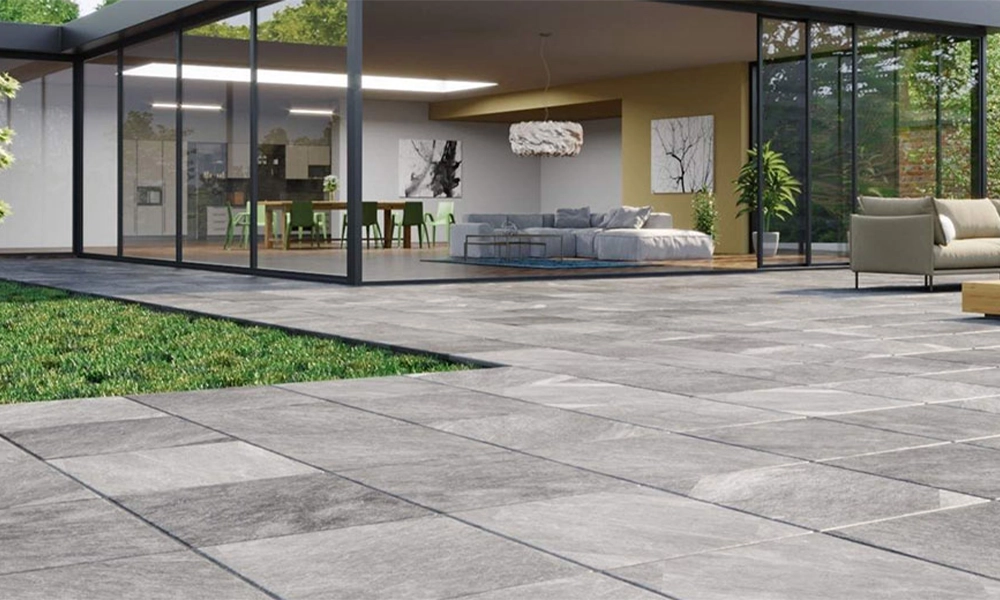
Available in a range of colors and patterns, granite brings a sleek and luxurious look to outdoor spaces. Its natural sparkle under sunlight adds elegance, while its non-slip finishes ensure safety even in wet conditions. Granite is also easy to clean and requires minimal maintenance, though sealing can enhance its lifespan and color vibrancy.
If durability is your top priority and you want a sophisticated outdoor aesthetic, granite flooring and pavers are worth the investment. They combine resilience, beauty, and long-term value better than most materials.
Marble Flooring and Pavers
Marble flooring and pavers bring undeniable luxury and elegance to outdoor areas. With their polished veining and smooth textures, they instantly transform patios and terraces into refined, high-end spaces. For homeowners seeking the best tile for outdoor flooring that stands out, marble delivers unmatched beauty.
However, marble is more delicate compared to granite or porcelain, requiring sealing and regular maintenance to protect it from stains and weathering. In shaded or semi-covered outdoor areas, marble can perform beautifully and maintain its glossy finish for years.
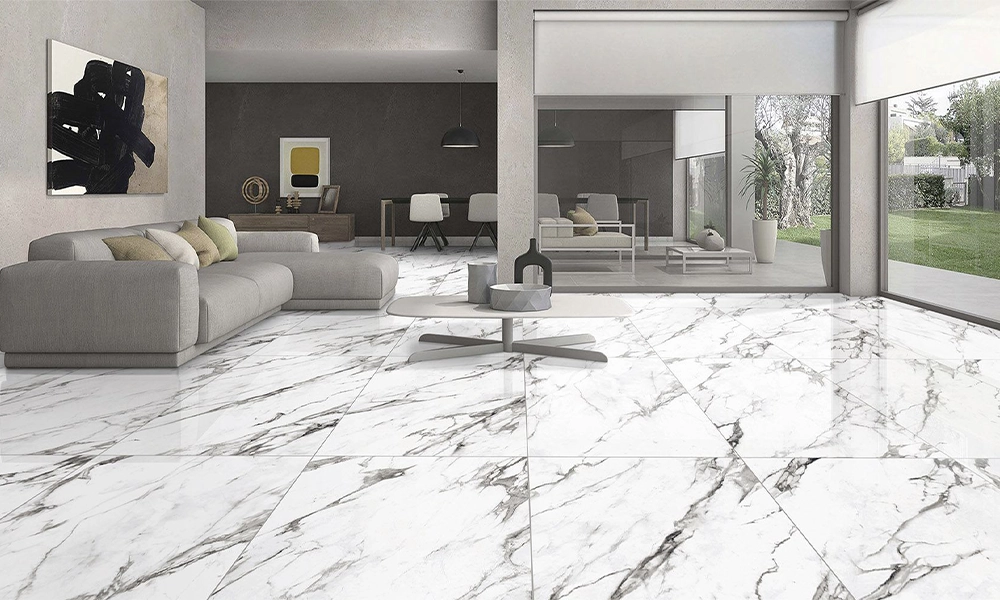
Marble pavers come in matte and textured finishes that improve traction for outdoor use. Their timeless appeal works well in both modern and traditional designs, especially when paired with greenery or water features. Though it needs a bit more care, marble’s natural elegance makes it a favorite for luxury outdoor flooring projects.
Limestone Flooring and Pavers
Limestone flooring and pavers are known for their soft, earthy tones and natural textures that create a warm, welcoming outdoor atmosphere. They’re a popular choice for homeowners who want the best tile for outdoor flooring that blends beautifully with nature.
This sedimentary stone offers good slip resistance and a smooth finish underfoot. It’s suitable for patios, garden paths, and courtyards. However, because limestone is relatively porous, it needs to be sealed regularly to protect it from moisture and stains. With proper care, it can last for decades and maintain its natural charm.
Limestone pavers come in shades of beige, cream, and light gray — perfect for bright, airy outdoor designs. They’re ideal for Mediterranean, rustic, or minimalist styles, offering a natural balance between elegance and simplicity.
Sandstone Flooring and Pavers
Sandstone flooring and pavers are loved for their warm, earthy appearance and natural slip resistance, making them one of the best tiles for outdoor flooring in both functional and aesthetic terms. Each sandstone piece features unique color variations — from golden yellows to deep reds — that add character to any patio or walkway.
This stone is durable and weather-resistant, ideal for outdoor settings that face sunlight, rain, and temperature changes. It provides a textured surface that enhances grip, reducing the risk of slipping when wet. However, sandstone is somewhat porous, so sealing is recommended to protect it from stains and erosion.
Sandstone pavers are easy to shape and install, allowing for creative layouts and natural-looking designs. Their organic beauty makes them perfect for garden paths, pool surrounds, or any outdoor space where a cozy, natural vibe is desired.
Tips for Maintaining Outdoor Tiles
Keeping your outdoor flooring and pavers in good shape is just as important as choosing the best tile for outdoor flooring in the first place. Outdoor tiles face constant exposure to sunlight, rain, dust, and temperature changes — all of which can affect their color, strength, and texture over time. With proper care and maintenance, you can extend their lifespan and keep them looking as beautiful as the day they were installed.
Regular Cleaning
Dirt, leaves, and debris can build up on outdoor tiles and make them look dull. Sweep the surface regularly and wash it with mild soap and water. For natural stones like travertine, marble, or limestone, avoid acidic cleaners that can damage the surface. Porcelain and granite tiles, however, can handle slightly stronger cleaners.
Sealing Natural Stone
Most natural stones are porous, meaning they can absorb water and stains. Applying a high-quality sealer at least once a year helps protect against moisture, mold, and discoloration. Sealing also enhances the natural color and makes cleaning easier. Porcelain tiles typically don’t need sealing, but stones like travertine, limestone, and sandstone definitely do.
Preventing Stains and Mold
If your outdoor flooring is near plants, pools, or shaded areas, it’s more likely to develop mold and stains. Clean spills immediately and use a diluted bleach or specialized outdoor cleaner to remove any buildup. Keeping the area well-drained and dry will help prevent mold growth in the first place.
Avoid Heavy Impact and Scratches
Even the toughest materials like granite can get chipped or scratched by dragging heavy furniture. Always lift chairs or tables instead of sliding them. Adding protective pads under furniture legs can also help keep your tiles looking new.
Seasonal Maintenance
Before winter or heavy rain seasons, inspect your tiles for cracks or loose joints. Small cracks can let water in and cause bigger damage later. Repairing them early helps maintain the stability and beauty of your outdoor flooring and pavers for the long term.
Outdoor Tile Maintenance Guide
| Tile Type | Maintenance Level | Sealing Needed | Cleaning Tips | Lifespan (With Care) |
| Porcelain | Low | No | Clean with mild soap and water | 20–30 years |
| Travertine | Medium | Yes | Use stone-safe cleaner, avoid acids | 15–25 years |
| Granite | Low | Optional | Gentle cleaner, rinse regularly | 25–40 years |
| Marble | High | Yes | Use pH-neutral products | 10–20 years |
| Limestone | Medium | Yes | Clean weekly, reseal annually | 15–25 years |
| Sandstone | Medium | Yes | Rinse often, use outdoor sealer | 15–25 years |
Conclusion
durability, and maintenance. Each material — whether porcelain, travertine, granite, marble, limestone, or sandstone — has its own unique strengths and style. Porcelain stands out for being tough and low-maintenance, while natural stones bring warmth and timeless charm to patios, pools, and garden paths.
Before deciding, always think about your climate, how much time you can dedicate to maintenance, and the overall look you want to achieve. With proper care — regular cleaning, sealing, and protection from harsh weather — your outdoor flooring and pavers can stay stunning for decades.
No matter which option you choose, investing in high-quality materials like those from Hunterpavers, along with thoughtful installation, will make a world of difference. The right tiles can transform your outdoor space into a welcoming extension of your home — beautiful, functional, and built to last.