


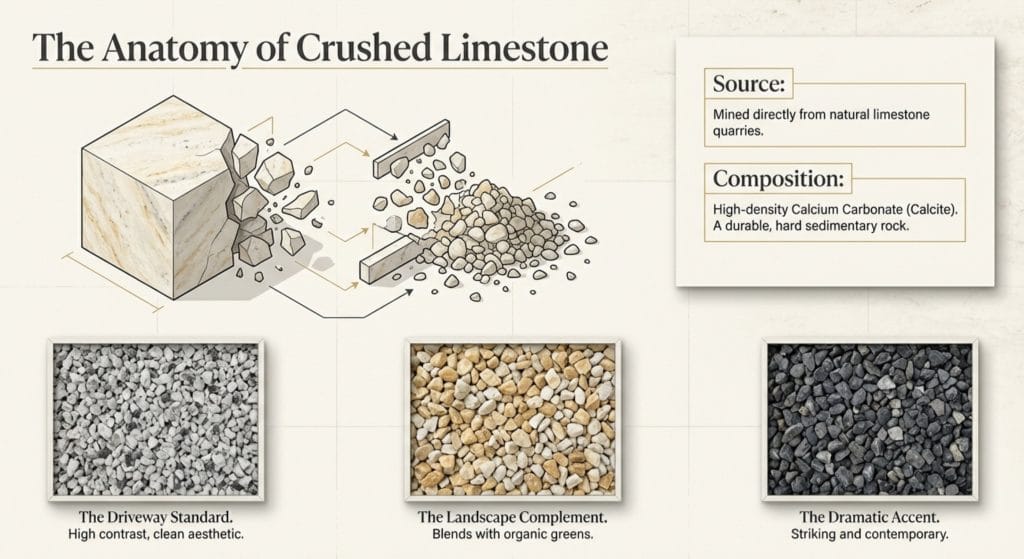
Crushed limestone is a famous aggregate which is composed out of calcium carbonate -known as calcite-. After the limestone blocks are mined out of quarries, the stones are crushed in various specific sizes so they can be used in different applications.
Crushed limestone is a quarried natural-stone aggregate produced by crushing and screening limestone into specified sizes. The correct grade can form a compacted base, support driveways and paths, provide drainage around structures, or create a natural-looking landscape surface. Performance depends on particle size, the amount of fines, site drainage, subgrade preparation and compaction—not simply on the stone name.
| Project need | Suitable material type | Why it is used |
|---|---|---|
| Compacted road, patio or shed base | Well-graded crushed limestone with fines | Particles lock together to form a dense, stable layer |
| Drainage trench or wall backfill | Clean, uniformly sized stone with minimal fines | Open voids allow water to move through the layer |
| Driveway | Project-specified base and surface grades | Supports vehicle loads when correctly designed and compacted |
| Garden path or decorative area | Selected limestone gravel | Creates a natural finish and defined pedestrian surface |
| Soil pH adjustment | Tested agricultural lime—not ordinary driveway gravel | Fine, specified material reacts more effectively with soil |
-

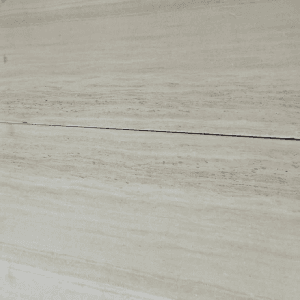
Ivory Limestone
Price range: $26.00 through $98.00 Select options This product has multiple variants. The options may be chosen on the product page -
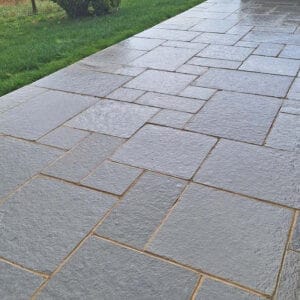
Grey Limestone
Price range: $30.00 through $110.00 Select options This product has multiple variants. The options may be chosen on the product page -
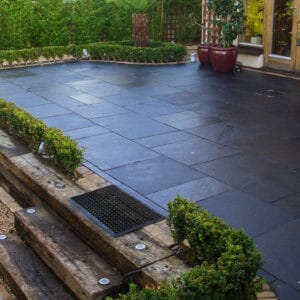
Black Limestone
Price range: $26.00 through $110.00 Select options This product has multiple variants. The options may be chosen on the product page -
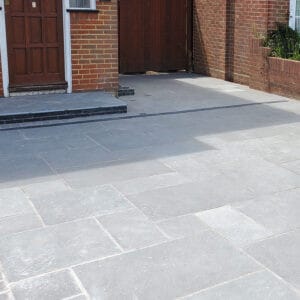
Ash Grey Limestone
Price range: $26.00 through $110.00 Select options This product has multiple variants. The options may be chosen on the product page -
Gohera Limestone
Price range: $26.00 through $110.00 Select options This product has multiple variants. The options may be chosen on the product page
What Is Crushed Limestone?
Crushed limestone is primarily calcium-carbonate rock that has been quarried, mechanically crushed and screened. Suppliers may offer clean stone, single-sized gravel or well-graded blends containing smaller particles and fines. Product names and size labels vary between suppliers, so the grading specification matters more than a generic name.
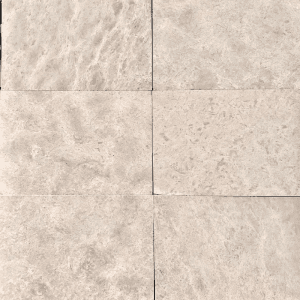
Crushed limestone aggregate is different from the cut limestone tiles and pavers used as a finished architectural surface. If your project needs a visible patio, pool surround or outdoor entertaining area, compare purpose-made pavers rather than assuming loose aggregate is the best finish.
Crushed Limestone Sizes and Grades
No single size works for every application. A well-graded blend contains several particle sizes and can compact firmly because smaller particles fill the spaces between larger ones. Clean aggregate contains few fines and retains more void space, making it more appropriate where drainage is the priority. Always confirm the supplier’s particle-size range, fines content and recommended use.
- Fine material: useful for levelling or blending into compacted products, but it may hold water and create dust when used alone.
- Well-graded road-base material: suited to compacted base layers when installed to the required depth.
- Clean drainage stone: selected for trenches, retaining-wall backfill and other applications that need open voids.
- Decorative limestone gravel: chosen for colour, texture and pedestrian landscaping applications.
Common Uses of Crushed Limestone
Driveways and Access Areas
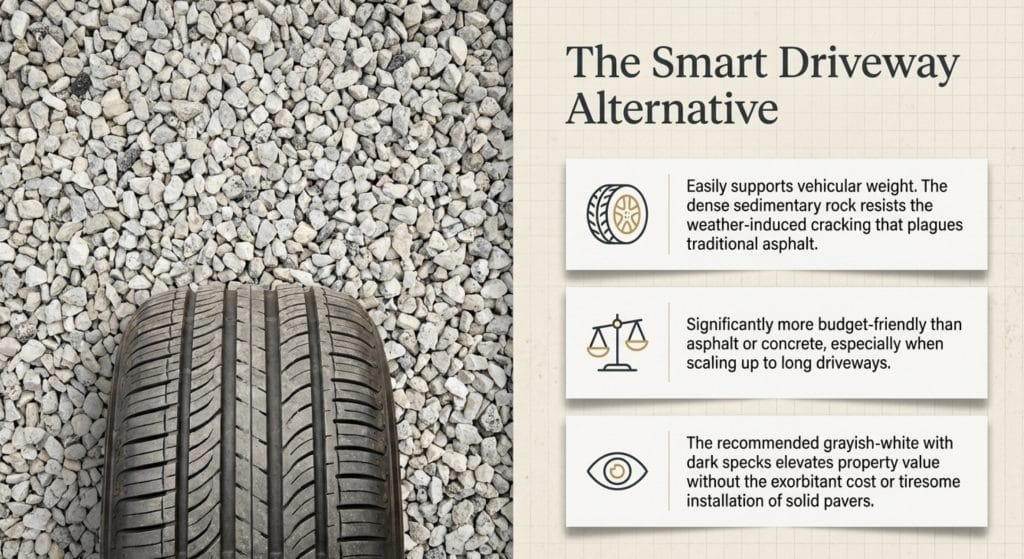
A properly specified crushed limestone driveway can provide a firm and attractive surface. The site still requires excavation where necessary, edge restraint, a stable subgrade, suitable layer depths, moisture control, compaction and drainage. Loose material can migrate or rut under turning vehicles, so periodic grading and topping up may be required.
Road, Patio and Shed Bases
Well-graded crushed limestone is widely used below pavements because it compacts into a stable platform. The required thickness depends on soil conditions, traffic loads and the surface above. Structural or council-controlled work should follow the engineer’s or relevant authority’s specification.
Drainage and Retaining-Wall Backfill
Clean limestone aggregate can help move water when it contains minimal fines and is combined with a suitable drainage design. A compactable limestone blend is not automatically free-draining: fines reduce the open spaces between particles. Use filter fabric, pipes and outlets where the design calls for them, and seek professional advice around buildings.
Landscaping, Garden Paths and Ground Cover
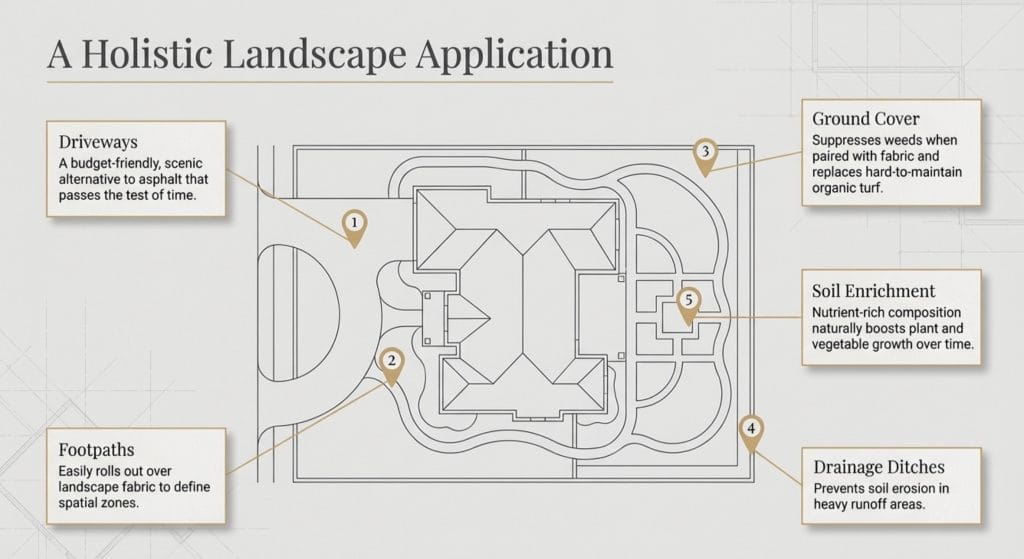
Limestone gravel can define paths, borders and low-traffic garden areas. A prepared base and edge restraint help reduce spreading; geotextile may be appropriate where separation from the subgrade is needed. For a focused application guide, read what limestone gravel is good for.
Concrete and Construction Fill
Specified crushed limestone may be used as aggregate or construction fill where it meets the relevant mix, grading and strength requirements. Do not substitute an unverified landscaping product in structural work.
Soil Treatment
Finely ground agricultural limestone can raise the pH of acidic soil, but ordinary crushed driveway stone is not an equivalent product. Test the soil first and use an agricultural product with a declared neutralising value and application rate.
Benefits and Limitations
| Potential benefit | Practical limitation |
|---|---|
| Strong compaction in well-graded blends | The same fines that aid compaction can reduce drainage |
| Natural cream, grey and honey tones | Colour and grading vary between quarries and batches |
| Suitable for many base and landscape uses | Loose surfaces can rut, spread, become dusty or need replenishment |
| Often cost-effective when locally available | Delivered price depends heavily on volume and transport distance |
| Durable mineral aggregate | Quarrying and transport carry environmental impacts |
How to Choose Crushed Limestone for Your Project
- Define whether the layer must compact, drain or remain visible.
- Confirm load, traffic, slope, soil and water conditions.
- Ask for the grading, fines content and intended application.
- Calculate compacted volume rather than ordering from area alone.
- Allow for delivery access, edge restraints and future maintenance.
If you are comparing a recycled base with virgin aggregate, see crushed limestone vs crushed concrete.
Planning a limestone project? Browse Hunter Pavers’ limestone tiles and pavers, or contact our team to discuss a suitable natural-stone finish, size and quantity for your project.
Frequently Asked Questions
What is crushed limestone mainly used for?
It is commonly used for compacted bases, driveways, access areas, drainage aggregate, paths, landscaping and specified construction fill. The correct grading depends on whether the project needs compaction or water movement.
Does crushed limestone drain well?
Clean, uniformly sized limestone with minimal fines can drain well. Crusher-run or well-graded material contains fines and is designed to compact, so it normally drains more slowly.
Is crushed limestone good for a driveway?
It can be, provided the subgrade, grading, depth, compaction, edges and drainage suit the vehicle loads and site. Loose driveways may still need periodic levelling and replenishment.
What is the difference between limestone gravel and crushed limestone?
The terms overlap. “Crushed limestone” describes the material and production process, while “limestone gravel” often refers to a loose size or landscaping application. Ask the supplier for the actual grading and fines content.
Can crushed limestone be added directly to garden soil?
Do not use ordinary driveway aggregate as a soil amendment. Test the soil and use properly specified agricultural lime at the recommended rate if the soil needs pH correction.